
A dedicated designer
One expert owns your journey from first sketch to final boarding pass.
Welcome to our specialist guide to exploring Cambodia. From iconic landmarks to hidden local gems, our destination experts share their curated insights to help you craft the perfect tailor-made holiday.
Every journey with My Way Travel is individually designed around your dates, pace, and passions. Read on for our recommendations on must-see highlights, insider tips, and practical travel advice.

“Exploring Cambodia with private guides and hand-picked boutique stays uncovers a depth and intimacy that ordinary group travel simply cannot provide.”
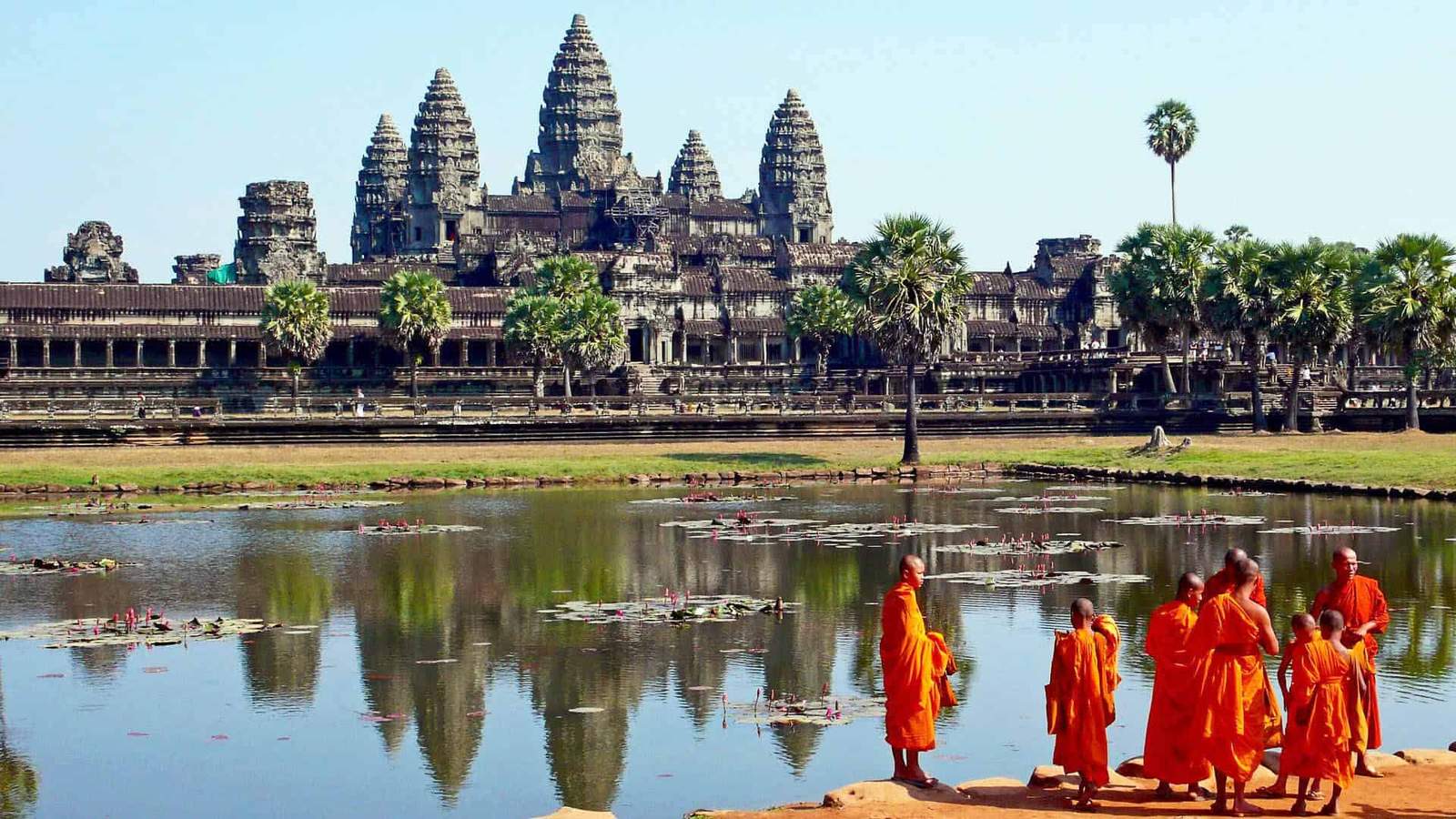
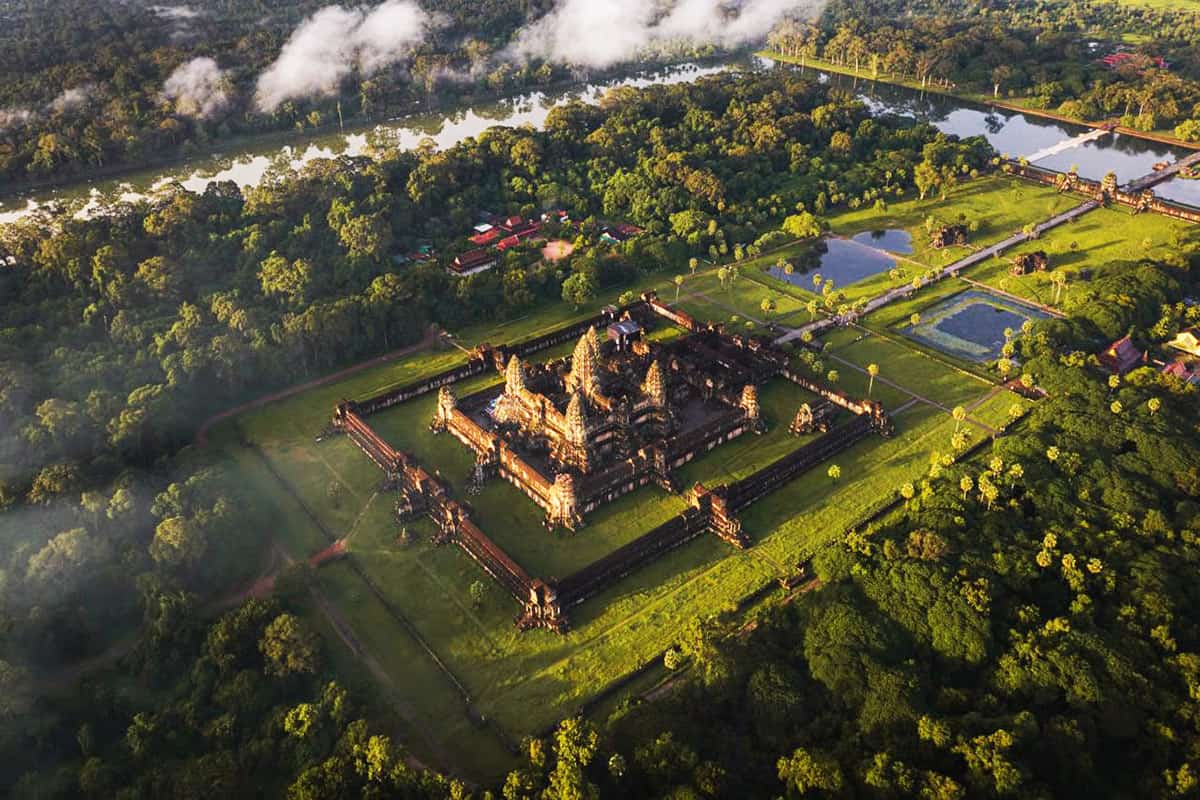
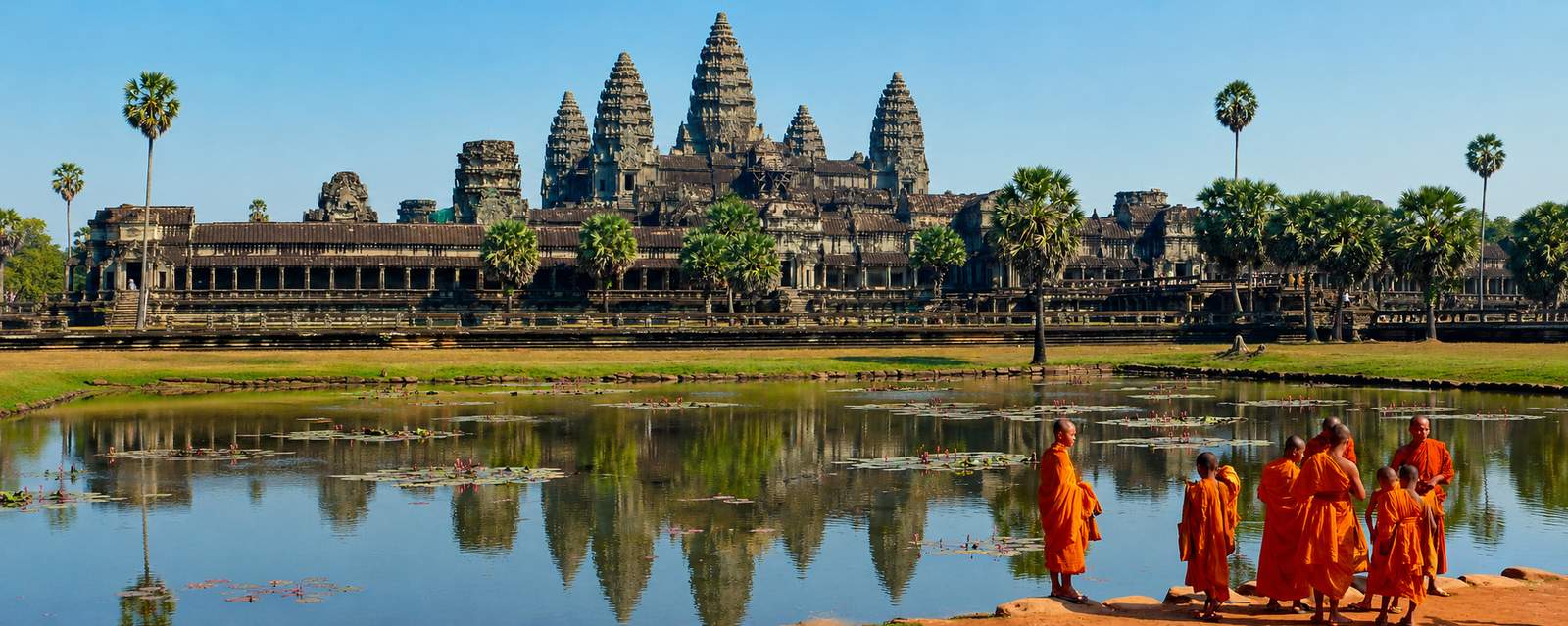
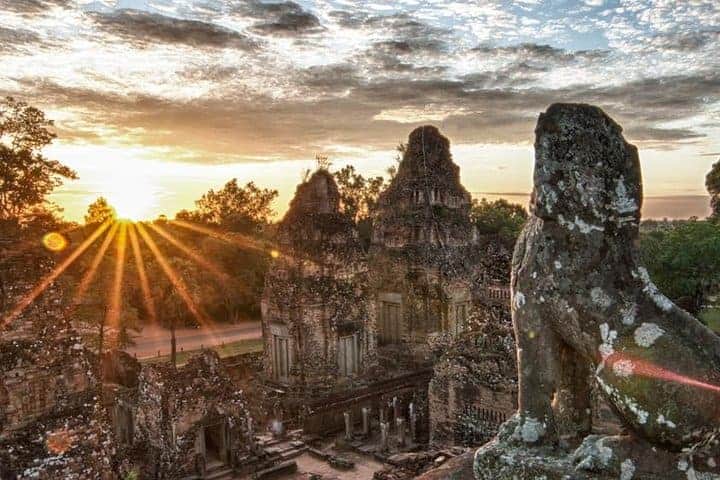
Siem Reap exists because of Angkor, but it is far more than a gateway. It is a lively, easygoing town of Khmer food, artisans, art schools and boutique hotels, with a countryside of rice fields, lakes and forest temples beyond. Plan at least three nights.
Angkor Wat, the Bayon and Ta Prohm are the headline sights; see our guides to visiting Angkor Wat and the outer temples.
Southeast Asia’s largest freshwater lake. Boat trips to villages such as Kampong Phluk, where houses stand on stilts above the flooded forest in the wet season, show a very different side of Cambodia. Boat fees are paid separately; late afternoon is best for light.
The sacred mountain where the Khmer Empire was founded in 802. Visit its waterfalls, the reclining Buddha and the “River of a Thousand Lingas”, carved into the riverbed. The national park charges its own entry fee, which is separate from the Angkor Pass. The road up is typically one-way in the morning, so combine it with Beng Mealea.
A vast jungle-covered temple about an hour east, left almost as it was found; walkways wind through collapsed towers and mossy galleries.
An acrobatic theater show performed by graduates of a Battambang arts school: dramatic, moving and a great evening out.
Browse the Old Market (Psar Chas) for spices, silk and street food, the evening markets for souvenirs, and Artisans Angkor workshops to see traditional crafts such as stone carving and silk weaving.
The town’s nightlife strip is loud and fun; head one block away for quieter restaurants serving Khmer dishes such as fish amok.
Learn to cook amok and lok lak in a village kitchen, or cycle past rice paddies and water buffalo with a local guide.
The Angkor National Museum offers context before you visit the temples, and the Cambodia Landmine Museum tells a moving story about the legacy of war and clearance.
On the northwest side of the Tonle Sap, Prek Toal is one of the most important breeding grounds for large water birds in Southeast Asia, including storks, pelicans and cormorants. It is a long boat trip, best in the dry season from about January to April, and suits birdwatchers who don’t mind an early start.
Further from town than Kampong Phluk, Kampong Khleang is a larger community of stilt houses, some of which tower many meters above the dry-season ground. It sees far fewer visitors. Avoid unofficial boat sellers and donation “schools” at the busiest landing points, and book through a reputable operator or your guide.
The capital of the Khmer Empire for a short time in the 10th century, Koh Ker is a remote temple complex in the forest, dominated by a seven-tiered pyramid. It was added to the UNESCO World Heritage List in 2023. It takes about two and a half hours by road from Siem Reap, so combine it with Beng Mealea for a full day.
The classical dance of the Khmer court, inspired by the celestial dancers carved on Angkor’s walls, almost disappeared during the Khmer Rouge years. Several restaurants and hotels in Siem Reap stage evening performances, often with a buffet dinner. Choose a show that works with trained dancers from a recognized school.
At the Angkor Silk Farm, outside town, you can follow the process from mulberry trees and silkworms to dyeing and weaving. In the evening, a guided Vespa or tuk-tuk food tour takes you to local markets and family eateries that most visitors never find.
Cycling between the temples is a peaceful way to see Angkor, especially along the earthen walls of Angkor Thom, where you can ride in the shade high above the moat. Choose an e-bike in the hot season.
After hours of climbing temple steps, a traditional Khmer massage is welcome. Several spas train young Cambodians in hospitality and wellness skills, so your treatment also supports local livelihoods.
See our guide to the best hotels in Siem Reap.
Children often love Angkor more than adults expect: the jungle-wrapped ruins of Ta Prohm, the giant faces of the Bayon and the monkeys along the roads are exciting at any age. Keep temple visits to a couple of hours, use a tuk-tuk for the adventure of it and book the Phare circus for an evening treat. A countryside bike ride on quiet tracks and a cooking class round out a family stay.
Yes. Ta Prohm, the Bayon, the circus, bike rides and cooking classes all work well for families. Keep temple visits short and plan a pool break in the middle of the day.
November to February is the coolest and driest season and the best time for the temples. March to May is very hot; the green season, May to October, brings afternoon rain, flooded landscapes at Tonle Sap and far fewer visitors. See our best time to visit Cambodia.
Explore our Cambodia tours, read about Siem Reap, or combine it with Vietnam on our Vietnam and Cambodia itineraries.
Three days for the temples and a day trip, or four to five for a slower pace.
Angkor Wat, its markets, Pub Street and its crafts.
Yes, for the lake villages, countryside, food and arts, though most travelers come for Angkor.
Near Charles de Gaulle Road for temple access, or Wat Bo for a quieter boutique feel.
Generally yes, though bag-snatching and overcharging happen; see our guide to staying safe in Cambodia.
Watch Phare, The Cambodian Circus, see an Apsara dance performance, take a food tour or browse the night markets and Pub Street.
Kampong Phluk is the closest and most popular; Kampong Khleang is larger and quieter. Visit with a reputable operator.
The ideal travel season generally falls during the dry, sunny months. Speak with our specialists for month-by-month climate recommendations tailored to your specific itinerary.
Yes, 100%. All My Way Travel itineraries are bespoke. We adjust durations, accommodations, activities, and destinations to suit your exact preferences.
All our private journeys are 100% tailor-made around your dates, pace, and passions. Talk to our specialists to customize any itinerary below or create a completely bespoke trip.
Direct advice: +1 (888) 898-0888 • Free tailor-made proposal
Why journey with us
One expert owns your journey from first sketch to final boarding pass.
Closed doors open quietly: ateliers, cellars, private homes, museums after dark.
A real voice at 3 a.m. in any time zone, whatever the question.
Bonded, insured and transparent about every dollar before you commit.
Begin
Tell us how you dream of travelling. Within 24 business hours, an in-country specialist will curate the first sketch of your route — bespoke ideas first, commitment never.
Concierge available 24/7 across all Asian time zones · New York registered