
A dedicated designer
One expert owns your journey from first sketch to final boarding pass.
Welcome to our specialist guide to exploring Cambodia. From iconic landmarks to hidden local gems, our destination experts share their curated insights to help you craft the perfect tailor-made holiday.
Every journey with My Way Travel is individually designed around your dates, pace, and passions. Read on for our recommendations on must-see highlights, insider tips, and practical travel advice.

“Exploring Cambodia with private guides and hand-picked boutique stays uncovers a depth and intimacy that ordinary group travel simply cannot provide.”
For most visitors, Cambodia is safe and welcoming, and the main tourist areas of Siem Reap and Phnom Penh see millions of travelers each year without problems. Like anywhere, it pays to know the real risks. This guide separates the everyday precautions from the one serious exception, the Thai border region. So, is Cambodia safe for tourists? For most trips, yes, with the precautions below.
Bag-snatching from motorbikes is the most common crime, especially in Phnom Penh. Use a cross-body bag, carry it on the side away from the road, and do not carry valuables you do not need. Siem Reap is calmer, but the same precautions apply at night.
Overcharging is the usual problem: agree a price before you get in, or book through your hotel or a ride app. The amounts are small, but a good driver is a pleasure.
Torn or marked US dollar notes may be refused; check your change. Use ATMs inside banks or hotels.
Buy Angkor passes only at the official ticket office or online; see our guide to Angkor Wat tickets.
Cambodia has been affected by organized online-scam compounds, and international reporting has documented traffickers luring foreigners with offers of well-paid jobs through social media. Tourists are not generally targeted, but never accept an unexpected job offer, and never agree to meet a stranger for “an interview” at a hotel.
Following border clashes in 2025, the area within roughly 20 to 50 km of the Thai border has been the subject of the strongest government warnings, with crossings suspended at times and landmines present in border areas. Temples and attractions near the border, including Preah Vihear, have been affected. The situation has changed several times, so check the latest advisories before you travel and avoid the border zone. Tourist areas such as Angkor, Siem Reap, Phnom Penh and the south coast are well away from it, though international arrivals to Cambodia fell in 2026. Check that your travel insurance covers regional conflicts.
Decades of conflict left landmines and unexploded ordnance in parts of rural Cambodia, especially in the northwest, near the Thai border. Clearance organizations have made huge progress, and the main temples at Angkor and the tourist areas are safe. In the countryside, stay on marked paths, do not touch metal objects and follow your guide’s advice. The Cambodia Landmine Museum, near Banteay Srei, tells the story of clearance and its human cost.
Phnom Penh and Siem Reap have international clinics for minor problems, but facilities for serious illness or injury are limited, and patients are often evacuated to Bangkok. This is why travel insurance with medical evacuation cover is essential.
Police: 117. Fire: 118. Ambulance: 119. In practice, your hotel or guide is usually the fastest source of help, so keep their numbers on your phone.
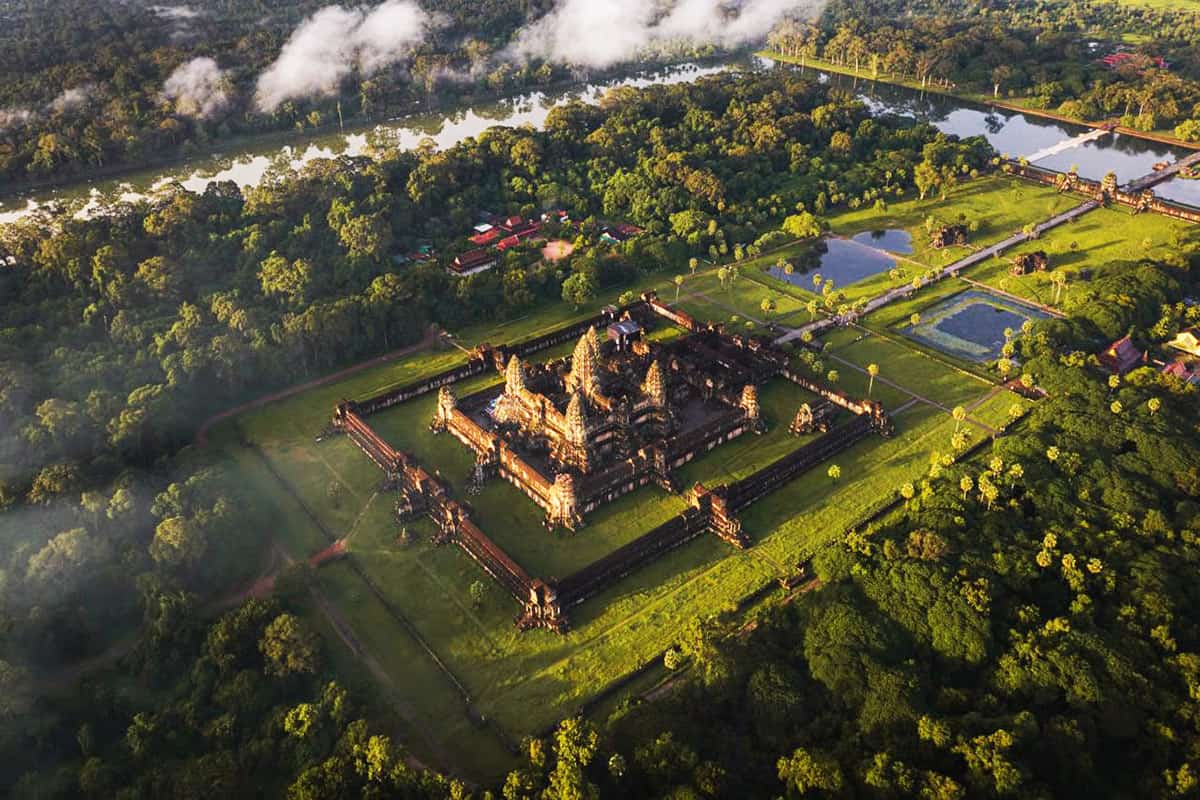
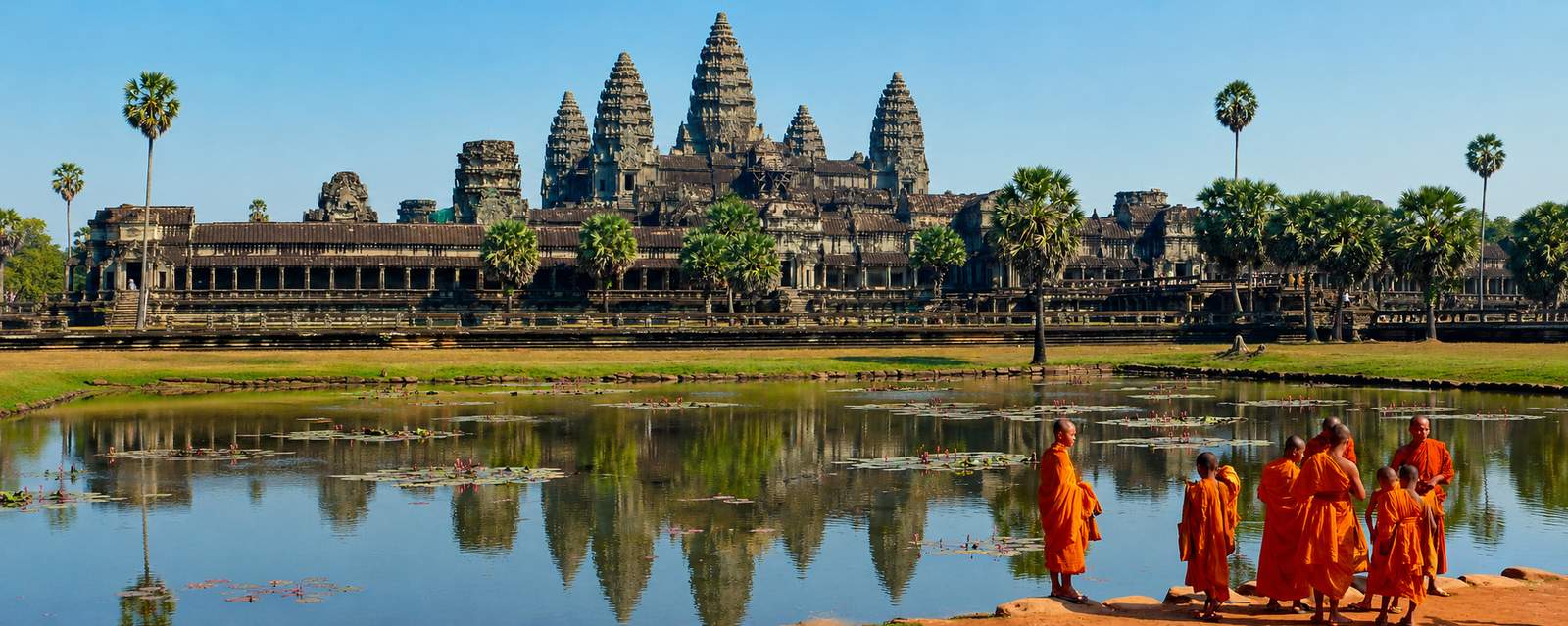
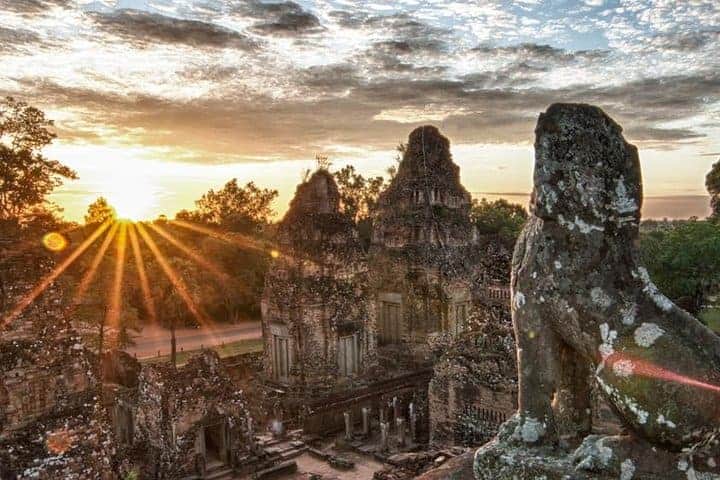
Cambodia is known for Angkor Wat, the largest religious monument in the world, as well as Khmer food, silk, and a painful recent history that you will learn about in Phnom Penh. It is a constitutional monarchy of about 17 million people, with Khmer the main language and the riel and US dollar both used.
Yes. It is much calmer than Phnom Penh. Use the usual precautions with bags at night and agree tuk-tuk prices.
Yes, with sensible planning. Families should choose hotels with pools and plan short temple visits in the morning. Older travelers and anyone with limited mobility should know that many temples have steep, uneven steps; a good guide will choose temples and routes to suit your pace, and electric carts can be arranged in some areas.
A guide and driver remove most hassles and keep you away from risky areas. Explore our private Cambodia tours, check visa requirements for US citizens, or read our family travel guide to Cambodia.
For most travelers, yes, in tourist areas, with normal precautions; avoid the Thai border region.
Check the latest official advisories before you book, as the border situation can change.
Yes in busy areas; avoid dark, empty streets and secure your bag.
Yes, but agree the price first.
Many solo women travel there comfortably; dress modestly and take the same care as anywhere.
No. Angkor and the main tourist areas have been cleared. In remote rural areas, stay on marked paths and follow local advice.
The ideal travel season generally falls during the dry, sunny months. Speak with our specialists for month-by-month climate recommendations tailored to your specific itinerary.
Yes, 100%. All My Way Travel itineraries are bespoke. We adjust durations, accommodations, activities, and destinations to suit your exact preferences.
All our private journeys are 100% tailor-made around your dates, pace, and passions. Talk to our specialists to customize any itinerary below or create a completely bespoke trip.
Direct advice: +1 (888) 898-0888 • Free tailor-made proposal
Why journey with us
One expert owns your journey from first sketch to final boarding pass.
Closed doors open quietly: ateliers, cellars, private homes, museums after dark.
A real voice at 3 a.m. in any time zone, whatever the question.
Bonded, insured and transparent about every dollar before you commit.
Begin
Tell us how you dream of travelling. Within 24 business hours, an in-country specialist will curate the first sketch of your route — bespoke ideas first, commitment never.
Concierge available 24/7 across all Asian time zones · New York registered