
Bali & Indonesia
Home›Destinations›Bali & Indonesia›Best Time to Visit

Best time to visit Bali

Best time to visit Bali: quick answers

When is the best time to visit Bali?

The best time to visit Bali is during the dry season, from April to October, when days are sunny and humidity is lower. For good weather without the biggest crowds, aim for April to June or September to October. July and August are the driest months, but also the busiest and most expensive.

When is the rainy season in Bali?

The wet season runs from roughly November to March, with the heaviest rain usually between December and February. Rain tends to arrive as short, heavy downpours in the afternoon or evening, and mornings are often still clear. Rain can start to appear in October and linger into March, so dates are a guide rather than a switch.

What is the best month to visit Bali?

May, June and September are the months most travelers and guides single out: dry, warm and calmer than the school-holiday peak in July and August.

Bali weather at a glance

Bali sits just south of the Equator, so temperatures barely move through the year: expect daytime highs of about 77 to 88°F (25 to 31°C). What changes is rainfall, humidity and crowds. Humidity is high all year, so even in the dry season you will feel warm and sticky at midday. The seasons are also less strict than the calendar suggests: you can have a run of dry, sunny days in February or an unexpected wet spell in July.

Bali month by month

  • January: usually the wettest month, with humid heat. Early January is still busy after Christmas and New Year, then quiets down.
  • February: still wet, but hotel demand is low, so it can suit flexible travelers who do not mind showers.
  • March: rain starts to ease. Nyepi, the Balinese Day of Silence, usually falls in March or early April: the airport closes for about 24 hours and the island goes quiet, so plan flights around the date.
  • April: the dry season begins and crowds are still moderate. One of the best shoulder months.
  • May: dry, warm and calmer than high season. A favorite month for a first trip.
  • June: sunny and dry. Late June brings Indonesian school holidays, so beaches and roads fill up toward the end of the month.
  • July: among the driest months and the start of the busiest period: heavy traffic and the highest hotel and villa rates.
  • August: the same as July: dry and crowded. Book early.
  • September: dry, with crowds easing. Many travelers call it the sweet spot.
  • October: still mostly dry, with the first showers possible late in the month. Calmer and cheaper than July and August.
  • November: the wet season begins. Fewer visitors and lower prices.
  • December: frequent rain, plus a Christmas and New Year peak toward the end of the month, when rates rise again. Avoid late December if you dislike both rain and crowds.

Choose by what you want from your trip

  • Beach days, diving and outdoor activities: May to September for the most reliable weather.
  • Fewer crowds and better value: April, May, September and October. For the lowest prices, the wet-season months outside the Christmas and New Year peak.
  • Honeymoon: May, June or September for sunshine without the July and August crowds. See our guide to Bali honeymoon packages.
  • Surfing: the west coast (Uluwatu, Canggu) is strongest in the dry season, while the east and north coasts tend to get better waves in the wet season.
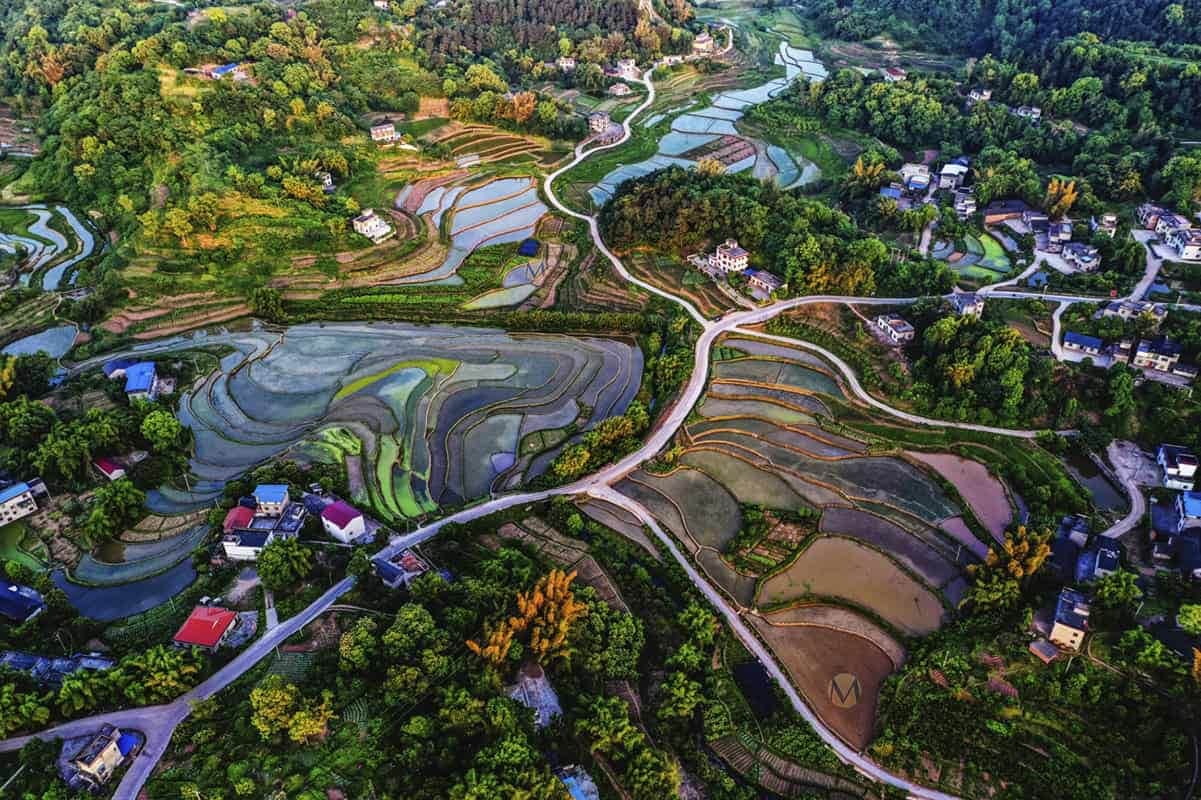
  • Culture and green landscapes: the wet season brings lush rice terraces and quieter temples, but trails can be slippery. Ceremonies happen year-round.

Weather by area

  • Ubud and the highlands: a little cooler and often wetter than the coast, especially in the afternoon. Mornings are the best time for terraces and temples.
  • Seminyak, Canggu and Uluwatu: sunny and beachy in the dry season, with bigger surf on the west coast.
  • Sanur, Nusa Dua and the east: calmer waters, good for families and swimming in the dry season.
  • Nusa Penida and the Gili and Lembongan islands: day trips depend on sea conditions; build a spare day into your plan.

Festivals, closures and school holidays

  • Nyepi (March or early April): a full day of silence with the airport closed. Hotels ask guests to stay on property and keep lights and noise low.
  • Indonesian school holidays (late June to July): more traffic and fuller beaches.
  • Christmas to New Year: the busiest weeks outside July and August.

Plan your Bali trip with us

Tell us your dates and what matters most, and a specialist will choose the right areas and hotels for the weather, build in buffer days, and arrange private drivers and guides. Explore our private Bali tours.

More Bali planning

Best time to visit Bali: FAQ

Is it worth visiting Bali in the rainy season?

Yes, if you are flexible. Rain is often short and heavy rather than all day, prices are lower and the island is greener and quieter. Plan indoor options such as spas, cooking classes and temples, and expect some muddy trails.

What are the busiest months in Bali?

July and August, plus the Christmas and New Year weeks.

What is the cheapest time to go to Bali?

Typically the wet-season months of February and March, outside holiday periods.

What happens on Nyepi?

Nyepi is the Balinese Day of Silence. The airport closes, roads empty and visitors stay on their hotel property for about 24 hours. Check the date before you book flights.

How many days do you need in Bali?

Seven to ten days works well for two bases such as Ubud and the coast.

The Ultimate Month-by-Month Bali & Indonesia Travel Planning Guide

Visiting Bali in January

January is part of the rainy season in Indonesia, and showers are common across much of the country. While it may not be the sunniest month, you can still catch pockets of good weather — especially in areas like Bali or the Gili Islands. If you’re looking for guaranteed sunshine, it’s better to travel further north in Southeast Asia during this time.

Despite the rain, Indonesia still offers warm temperatures, lush landscapes, and fewer crowds – making it a peaceful time to explore.

Chinese New Year (date varies): Celebrated as a public holiday across Indonesia, especially in cities with large Chinese communities like Jakarta and Medan. Expect colorful parades, lion dances, and traditional festivities.

Visiting Bali in January

Seasonal Breakdown & Climate Highlights

Apr – Oct

Dry Season

Best Time

Sunny, warm, and low humidity — the premier time for Bali, Lombok, and Komodo.

Nov – Mar

Tropical Rain Season

Green Season

Short tropical showers with lush green landscapes and peaceful luxury resorts.

Private Consultation

Connect with a certified specialist to begin planning your trip.

Feel free to call one of our experts or schedule a video appointment for personalized ideas and advice.


Give us a call: (+1) 315 998 1998
Send an email: info@mywaytravel.com
Emily
Emily
Asia Specialist
John
John
Thailand and Asia Specialist
Juan
Juan
Indochina Specialist
Publications

Request Our Complimentary Travel Guide

The World On Your Terms reveals what awaits when you explore the globe with our specialists. Covering six continents, this volume features handpicked routes, insider tips, and signature experiences.

Request Your Copy
My Way Travel - The World On Your Terms 2026/2027 Edition

Why journey with us

Cared for, every mile.

A dedicated designer

One expert owns your journey from first sketch to final boarding pass.

Rare access

Closed doors open quietly: ateliers, cellars, private homes, museums after dark.

Concierge, always

A real voice at 3 a.m. in any time zone, whatever the question.

Fully protected

Bonded, insured and transparent about every dollar before you commit.

Begin

Your journey begins with a conversation.

Tell us how you dream of travelling. Within 24 business hours, an in-country specialist will curate the first sketch of your route — bespoke ideas first, commitment never.

Concierge available 24/7 across all Asian time zones · New York registered

The Waypost

Four letters a year. Places worth the journey.

Seasonal routes, quiet openings and the occasional table that’s too good to keep to ourselves.