Best Time to Travel to Vietnam and Cambodia: Which Months Work for Both (2026)
Vietnam Travel Guide • Expert Insights

Best Time to Travel to Vietnam and Cambodia: Which Months Work for Both (2026)

8 min read•Vietnam•Updated for 2025/2026
Photo: My Way Travel Curated Archive
In the Specialist's View

Welcome to our specialist guide to exploring Vietnam. From iconic landmarks to hidden local gems, our destination experts share their curated insights to help you craft the perfect tailor-made holiday.

Every journey with My Way Travel is individually designed around your dates, pace, and passions. Read on for our recommendations on must-see highlights, insider tips, and practical travel advice.

Emily Tran

“Exploring Vietnam with private guides and hand-picked boutique stays uncovers a depth and intimacy that ordinary group travel simply cannot provide.”

Emily Tran • Senior Vietnam Specialist · 12+ years experience

Vietnam and Cambodia are a natural pair, but their weather does not line up everywhere. Cambodia has one dry season, while Vietnam has three regional climates. Here is the best time to travel to Vietnam and Cambodia together.

The short answer

The best window for a combined trip is December to February, with March a good extension. At this time Siem Reap is dry and cooler, the south of Vietnam is dry, and the north and center are drier than in autumn. The trade-offs are high prices, big crowds and Tet.

Cambodia: dry from November, hot from March

Siem Reap’s dry season runs roughly from November to April, with December to February the most comfortable. March to May is hot. The rains arrive about May to October. For more detail, see our best time to visit Cambodia.

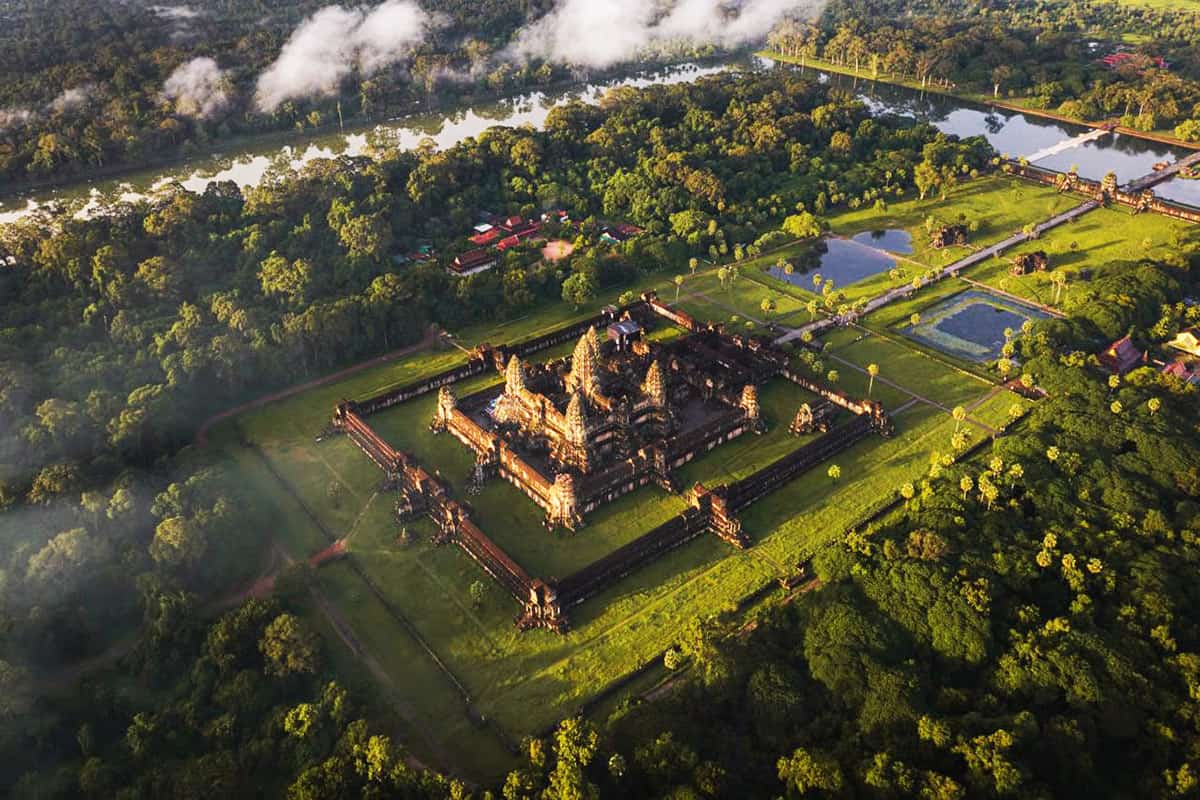
Cambodia’s dry season has two parts: a cooler, comfortable start from about November to January, and a hot finish from March to April, when temperatures at Angkor regularly climb into the mid-30s °C (mid-90s °F). The rainy season brings green rice fields, full moats around the temples and dramatic skies. Rain usually falls in heavy afternoon showers rather than all day, so mornings at the temples remain possible.

Vietnam by region

  • North (Hanoi, Ha Long Bay, Sapa): cooler and drier from about November to April; February and March can be damp and drizzly.
  • Center (Hue, Da Nang, Hoi An): the wettest region in autumn, with heavy rain from around September to December, so avoid November if you can. January to March is generally drier.
  • South (Ho Chi Minh City, Mekong Delta): driest and coolest from about December to February, with peak travel season from December to April.

Storms on the central coast

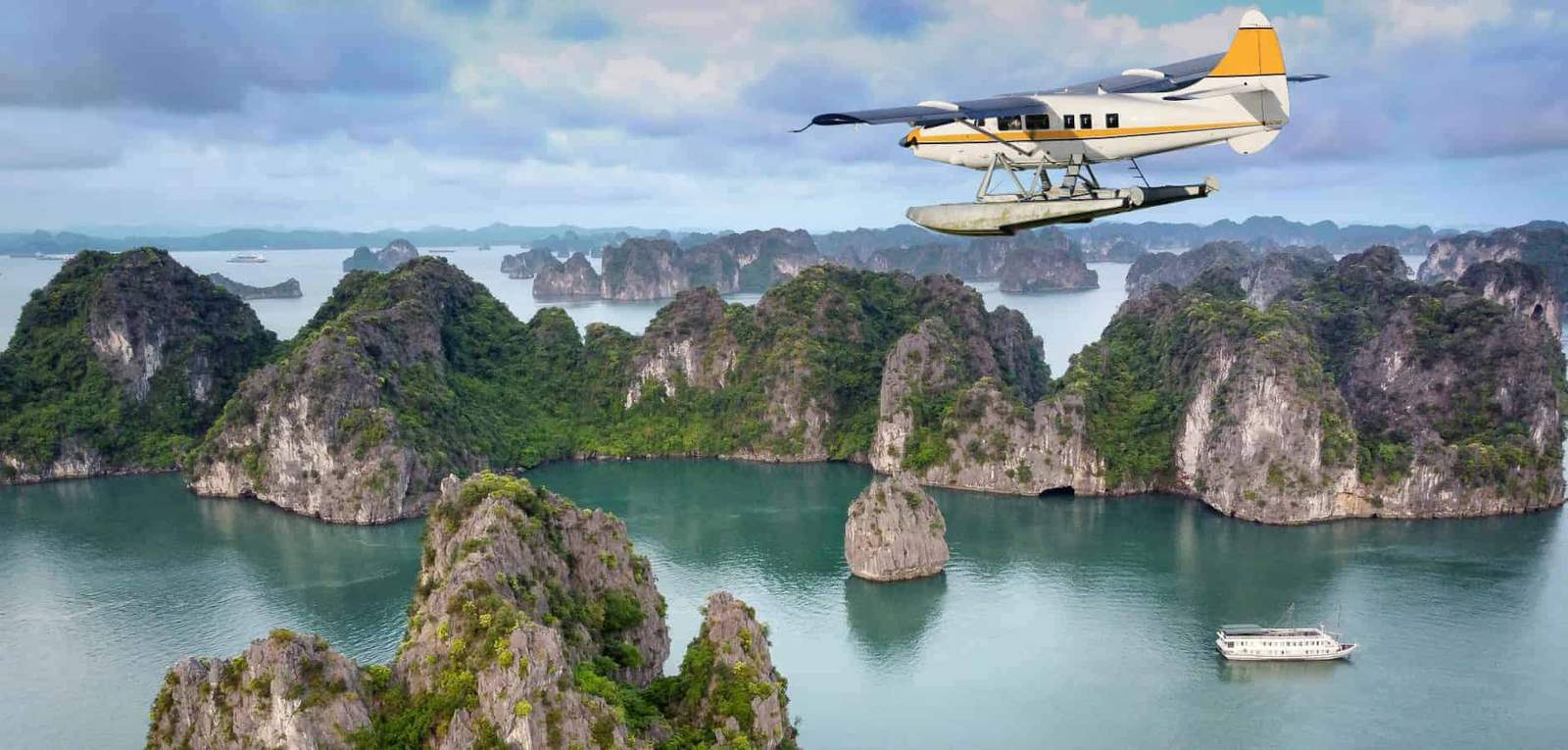
From about September to November, typhoons and tropical storms can reach central Vietnam and occasionally the north. They can cause flooding in Hoi An’s old town and cancel Ha Long Bay cruises for a day or two. If you travel in these months, keep the central stop short and flexible, and choose a tour operator that can reroute you quickly.

Month by month for both

  • October: Cambodia is green and quiet, but central Vietnam is likely wet. A budget month with weather risk.
  • November: Cambodia improves; central Vietnam is still wet. Choose a north-and-south route and skip the center.
  • December: excellent in the south and Cambodia; the north is cooler. Busy around Christmas and New Year.
  • January: the best overall balance. Book early.
  • February: good, with fewer Cambodia crowds. Tet (Lunar New Year) usually falls between late January and mid-February, when prices rise and some services close.
  • March: Cambodia is getting hot; central and southern Vietnam are good.
  • April to September: Cambodia is hot, then rainy; Vietnam’s center can be good in the middle of the year. Choose Vietnam first, Cambodia second, with an early start at Angkor.

Festivals and events that affect your trip

  • Tet (Vietnam): the Lunar New Year in late January or February. Cities are beautifully decorated, but many family-run shops and restaurants close for several days and transport is fully booked.
  • Khmer New Year (Cambodia): mid-April, a three-day holiday when many Cambodians go home to their villages. Angkor is busy with local visitors and has a festive atmosphere.
  • Pchum Ben (Cambodia): a festival for ancestors in September or October, when pagodas are full of families and some businesses close.
  • Water Festival (Cambodia): boat races in Phnom Penh around the November full moon, when the Tonle Sap River reverses its flow.
  • Mid-Autumn Festival (Vietnam): lanterns in Hoi An and Hanoi in September or early October.

Seasonal highlights you can only see at certain times

  • Tonle Sap and the floating villages: the lake and its stilt villages are most impressive at high water, roughly from late in the rainy season into the early dry season. By April and May, water levels are low and some boat trips are not possible.
  • Mekong Delta high water: from about August to November, the delta is at its fullest, with flooded fields and canals that are easier to explore by small boat.
  • Rice terraces in the north: the terraces around Sapa and Mu Cang Chai turn golden before the harvest in about September, and are flooded and reflective in spring.
  • Beaches in central Vietnam: the sea around Da Nang and Hoi An is at its calmest from about April to August.

Which way round?

In the peak season from December to March, most travelers start in Hanoi, travel south through Hue and Hoi An, and finish in Ho Chi Minh City, then fly to Siem Reap or travel by road or river to Phnom Penh. From May to August, it can be better to see Angkor early in the trip and go to central Vietnam for the beach at the end, when the center is at its sunniest.

Choose by what you want

  • Best weather for both countries: December to February.
  • Angkor without the crowds: February, or the green season for flexible travelers.
  • Beaches and Hoi An: January to March.

Read our Vietnam and Cambodia tour itineraries and Cambodia tour packages, then explore our Vietnam tours and Cambodia tours.

Vietnam and Cambodia best time: FAQ

What is the best month to visit both Vietnam and Cambodia?

January is the best balance; December and February also work well.

Which months should I avoid?

Avoid November in central Vietnam and the hottest weeks of April in Cambodia if you dislike heat.

Does Tet affect travel?

Yes, prices rise and some services close around Lunar New Year.

How many days do I need for both countries?

Ten to fourteen days for the highlights of each.

Is the rainy season bad for Angkor?

No; it is quieter and green, but plan around afternoon showers.

When is the Tonle Sap lake best for a boat trip?

Late in the rainy season and the early dry season, roughly from September to January, when the water is high around the floating and stilt villages.

Is the rainy season a good time for a cheaper trip?

It can be. From May to September, hotel rates in Cambodia and southern Vietnam are often lower and the sites are quieter. Expect afternoon showers and plan sightseeing for the morning.

Essential Insights

Frequently Asked Questions & Specialist Advice

When is the best time of year to visit Vietnam?

The ideal travel season generally falls during the dry, sunny months. Speak with our specialists for month-by-month climate recommendations tailored to your specific itinerary.

Can this itinerary be fully customized?

Yes, 100%. All My Way Travel itineraries are bespoke. We adjust durations, accommodations, activities, and destinations to suit your exact preferences.

Tailor-Made Itineraries

Start Planning Your Trip to Vietnam

All our private journeys are 100% tailor-made around your dates, pace, and passions. Talk to our specialists to customize any itinerary below or create a completely bespoke trip.

Inspiration & Advice

More Vietnam Travel Guides

View all Vietnam guides →
Emily Tran
Personal Consultation

Speak to an Indochina Specialist

Direct advice: +1 (888) 898-0888 • Free tailor-made proposal

Start Tailor-Made Enquiry →

Why journey with us

Cared for, every mile.

A dedicated designer

One expert owns your journey from first sketch to final boarding pass.

Rare access

Closed doors open quietly: ateliers, cellars, private homes, museums after dark.

Concierge, always

A real voice at 3 a.m. in any time zone, whatever the question.

Fully protected

Bonded, insured and transparent about every dollar before you commit.

Begin

Your journey begins with a conversation.

Tell us how you dream of travelling. Within 24 business hours, an in-country specialist will curate the first sketch of your route — bespoke ideas first, commitment never.

Concierge available 24/7 across all Asian time zones · New York registered

The Waypost

Four letters a year. Places worth the journey.

Seasonal routes, quiet openings and the occasional table that’s too good to keep to ourselves.