
A dedicated designer
One expert owns your journey from first sketch to final boarding pass.
Welcome to our specialist guide to exploring Cambodia. From iconic landmarks to hidden local gems, our destination experts share their curated insights to help you craft the perfect tailor-made holiday.
Every journey with My Way Travel is individually designed around your dates, pace, and passions. Read on for our recommendations on must-see highlights, insider tips, and practical travel advice.

“Exploring Cambodia with private guides and hand-picked boutique stays uncovers a depth and intimacy that ordinary group travel simply cannot provide.”
Cambodia is fast becoming recognized for its beauty and historical sites, leaving its tragic history far behind. Home to the UNESCO World Heritage Site of Angkor Wat, it boasts the stunning scenery of Tonle Sap Lake, beautiful deserted beaches in the south, and remnants of its French colonial past in the capital, Phnom Penh.
Siem Reap is a must-see for any discerning traveler to Southeast Asia. Visitors mostly go to Siem Reap to explore the infamous Angkor temples; however, the town has plenty more to offer. Ride horseback through rustic villages or stroll through the once sleepy town and haggle in the night market. You can explore the villages on the edge of Tonle Sap Lake or get a deeper insight into the country’s charm by interacting with local Khmer people during a home stay.
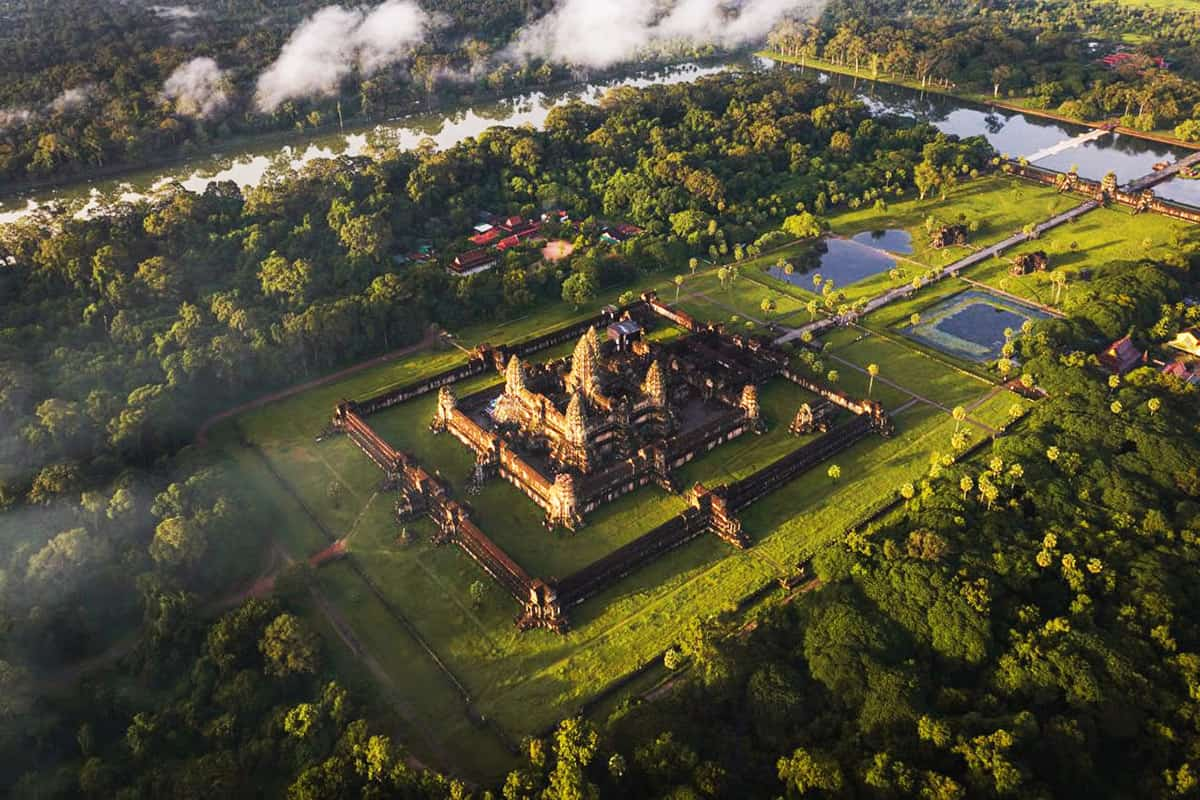
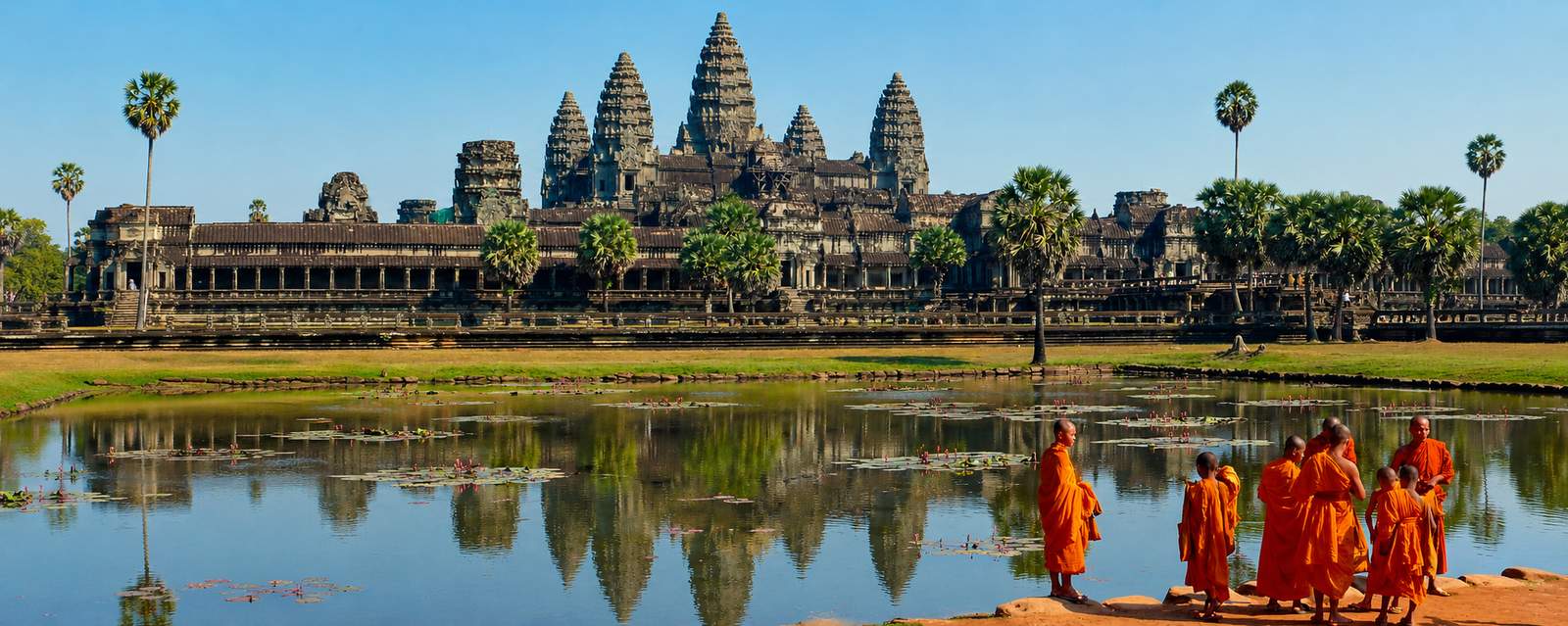
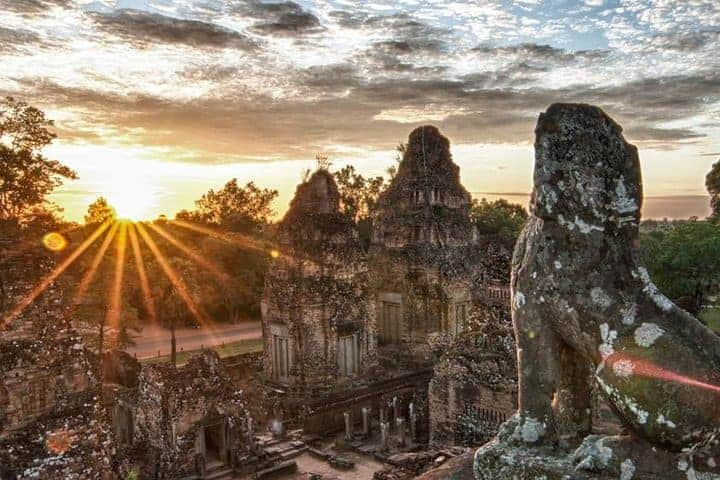
No visit to Siem Reap would be complete without exploring the magnificent Hindu temples of Angkor Wat, cited as one of the top 20 Lost Cities in The Rough Guides. Also voted number one in the Most Beautiful UNESCO World Heritage Sites by CNN Travel, Angkor Wat contains the remains of the Khmer Empire that date from the 9th to the 15th centuries. This architectural masterpiece is thought to have taken around thirty years to build. It is worth visiting at different times of the day to fully capture the magnificent beauty of Angkor Wat.
Its impressive neighbor Angkor Thom is also not to be missed, including the Bayon, which holds 54 towers decorated with more than 200 enigmatically smiling stone faces, and Phimeanakas, a temple mountain within Angkor Thom gates surrounded by five-meter-high walls. Explore the Terrace of the Leper King, the Terrace of Elephants, and the giant tree-entwined temple Ta Prohm.
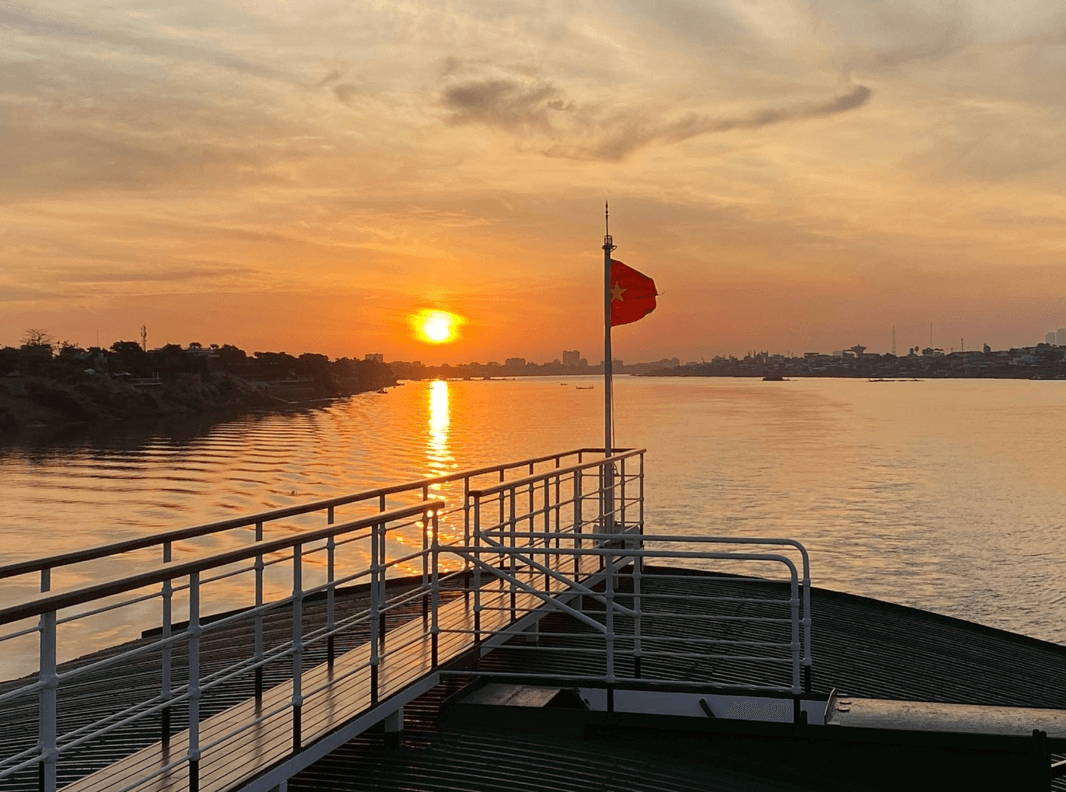
Leaving Siem Reap and the stunning Angkor temples behind, travel south to Phnom Penh, Cambodia’s capital, which is well on the road to recovery following the atrocious Pol Pot regime. Phnom Penh is a captivating city that has not been overwhelmed by heavy economic development like other Asian capitals. Besides the Royal Palace, National Museum, and Toul Sleng Genocide Museum, the city has upmarket boutique hotels, an emerging contemporary art scene, a lively riverfront promenade, and fascinating architecture, including French colonial and art deco styles. The lifeblood of the city is the Mekong River, along which you can take a boat to a nearby island and steal a glimpse at the more traditional side of Cambodia that has changed little over the years.
The southwest of Cambodia is a rugged region perfect for nature lovers, especially those heading overland to Thailand. Drive along the Koh Kong Conservation Corridor to the Cardamom Mountains through a rich, bio-diverse area protected by the government and spot elephants, monkeys, and rare birds along the way.
From Koh Kong, travel to Cambodia’s south coast, where it offers some lovely beach options, including Kep, surrounded by jungle-covered hills perfect for exploring by bike. There is also Sihanoukville, the white-sand destination that is still relatively untouched by tourism in comparison to the beaches of neighboring Thailand. For a relaxing riverside setting, try Kampot, where you can explore caves, wander through Bokor National Park, and climb Elephant Mountain.
Cambodia’s second city is a relaxed riverside town of French colonial shophouses, between Siem Reap and Phnom Penh. Take a tuk-tuk into the countryside to see hilltop temples, rice-paper and fish-paste makers, and the bat cave at Phnom Sampov, where millions of bats emerge at dusk. The town’s arts school also trains the performers of Phare, The Cambodian Circus.
On the road between Siem Reap and Phnom Penh, Sambor Prei Kuk is a forest of brick temples older than Angkor, from the capital of the Chenla kingdom. It was added to the UNESCO World Heritage List in 2017 and makes a peaceful stop on the drive.
North of Angkor, Koh Ker, briefly the capital of the Khmer Empire in the 10th century, has a striking seven-tiered pyramid and became a UNESCO World Heritage Site in 2023. Preah Vihear, a temple on a cliff edge, is spectacular, but it lies on the Thai border, so check the current travel advice before planning a visit.
In the far east, the rolling green hills of Mondulkiri are home to the Bunong people and elephant projects that focus on welfare, where you walk with elephants in the forest rather than ride them. Waterfalls and cool evenings make it a contrast to the plains.
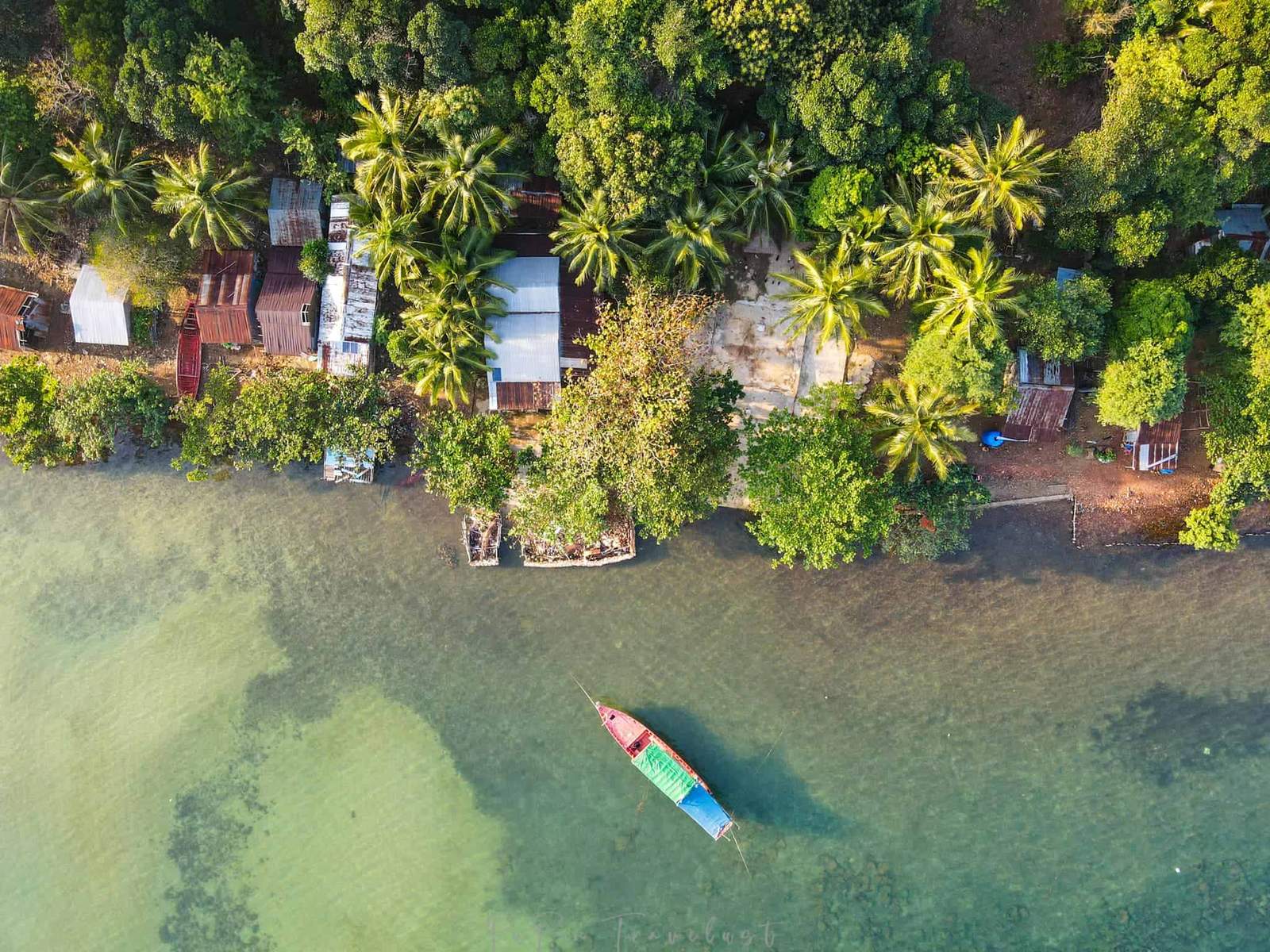
Off Sihanoukville, the islands of Koh Rong and Koh Rong Samloem have long white beaches and clear water. Several luxury island resorts have opened on smaller islands nearby, making the coast an easy finish to a trip.
—-
My Way Travel offers an exciting range of holiday packages and Cambodia tours designed to thrill, engage and inspire even the most seasoned traveller. Check out our wide range of tours in and around Siem Reap including Angkor Temples by bicycle, on horseback or tuk-tuk or taking to the skies and seeing the Angkor complex and Tonle Sap Lake from a helicopter. Contact us to assist you in preparing for the trip of a lifetime, or try to customise a trip yourself.
Ready to plan? Explore our private Cambodia tours, or read our guides to Where to Stay in Siem Reap, Cambodia and Cambodia Tour Packages.
Siem Reap for Angkor, Phnom Penh for history and colonial architecture, Tonle Sap Lake, and the south coast around Kep and Kampot.
Explore caves, visit Bokor National Park and enjoy the relaxed riverside setting.
Yes. It is surrounded by jungle-covered hills that are perfect for exploring by bike.
Yes. Sihanoukville and the south coast have white-sand beaches that are less developed than neighboring Thailand’s.
Phnom Penh for history, Battambang for countryside life, Kampot and Kep for the coast, and Koh Ker for remote temples.
The ideal travel season generally falls during the dry, sunny months. Speak with our specialists for month-by-month climate recommendations tailored to your specific itinerary.
Yes, 100%. All My Way Travel itineraries are bespoke. We adjust durations, accommodations, activities, and destinations to suit your exact preferences.
All our private journeys are 100% tailor-made around your dates, pace, and passions. Talk to our specialists to customize any itinerary below or create a completely bespoke trip.
Direct advice: +1 (888) 898-0888 • Free tailor-made proposal
Why journey with us
One expert owns your journey from first sketch to final boarding pass.
Closed doors open quietly: ateliers, cellars, private homes, museums after dark.
A real voice at 3 a.m. in any time zone, whatever the question.
Bonded, insured and transparent about every dollar before you commit.
Begin
Tell us how you dream of travelling. Within 24 business hours, an in-country specialist will curate the first sketch of your route — bespoke ideas first, commitment never.
Concierge available 24/7 across all Asian time zones · New York registered