
A dedicated designer
One expert owns your journey from first sketch to final boarding pass.
Welcome to our specialist guide to exploring Cambodia. From iconic landmarks to hidden local gems, our destination experts share their curated insights to help you craft the perfect tailor-made holiday.
Every journey with My Way Travel is individually designed around your dates, pace, and passions. Read on for our recommendations on must-see highlights, insider tips, and practical travel advice.

“Exploring Cambodia with private guides and hand-picked boutique stays uncovers a depth and intimacy that ordinary group travel simply cannot provide.”
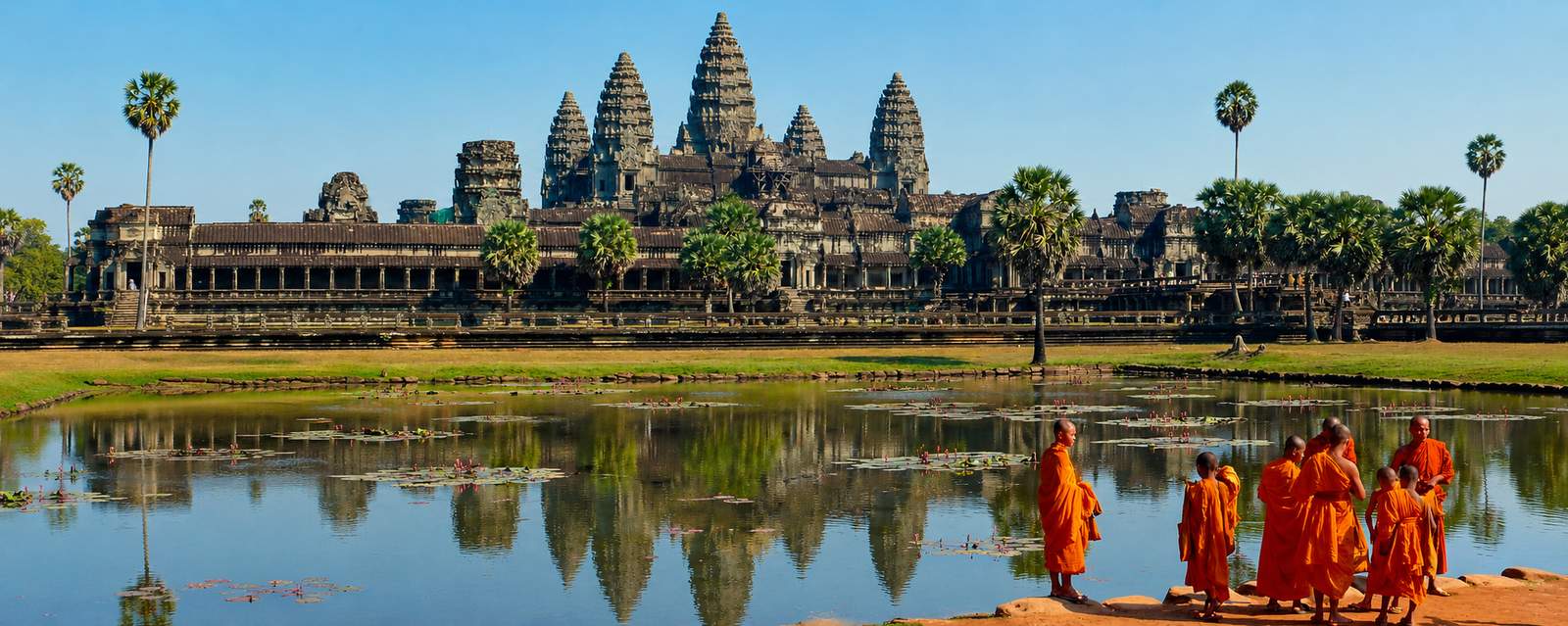
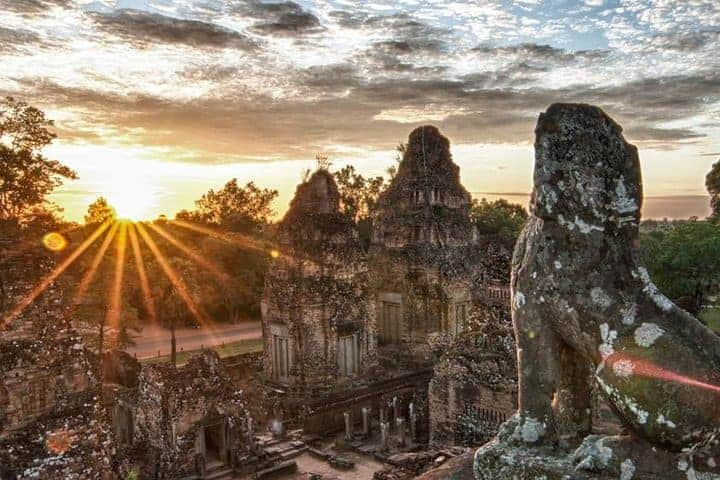
When people think of Cambodia, what to do in Cambodia often comes to mind, and our Cambodia travel guide can help you explore its wonders. Angkor Wat is still the first thing that comes to mind. It is the most important of the more than a thousand temples that dot the 154 square kilometers that make up Angkor.
Other temples, like the intricately carved Banteay Srei, are almost empty at the times of day when Angkor Wat groans under the weight of tourists. Historic temples surround Cambodia, with lush vegetation and gorgeous beaches surround it. To plan your Cambodian adventure, turn to My Way Travel.
Still, the most memorable aspect of Cambodia is the Cambodian people. After the tyrannical rule of Pol Pot’s Khmer Rouge in the 1970s, the people of Cambodia have become unusually welcoming. So, set out on your journey with the help of Cambodia Travel Guide to explore this remarkable nation’s heart.
Phnom Penh’s National Museum, Cambodia
Phnom Penh is home to several marketplaces, but the Russian Market (so named since only Russians arrived in Cambodia in the 1980s) stands out as the greatest. You may get everything from CDs to woodcarvings to’sampots’ (the local sarong) in every hue imaginable at the booths that line its mazelike network of alleys.
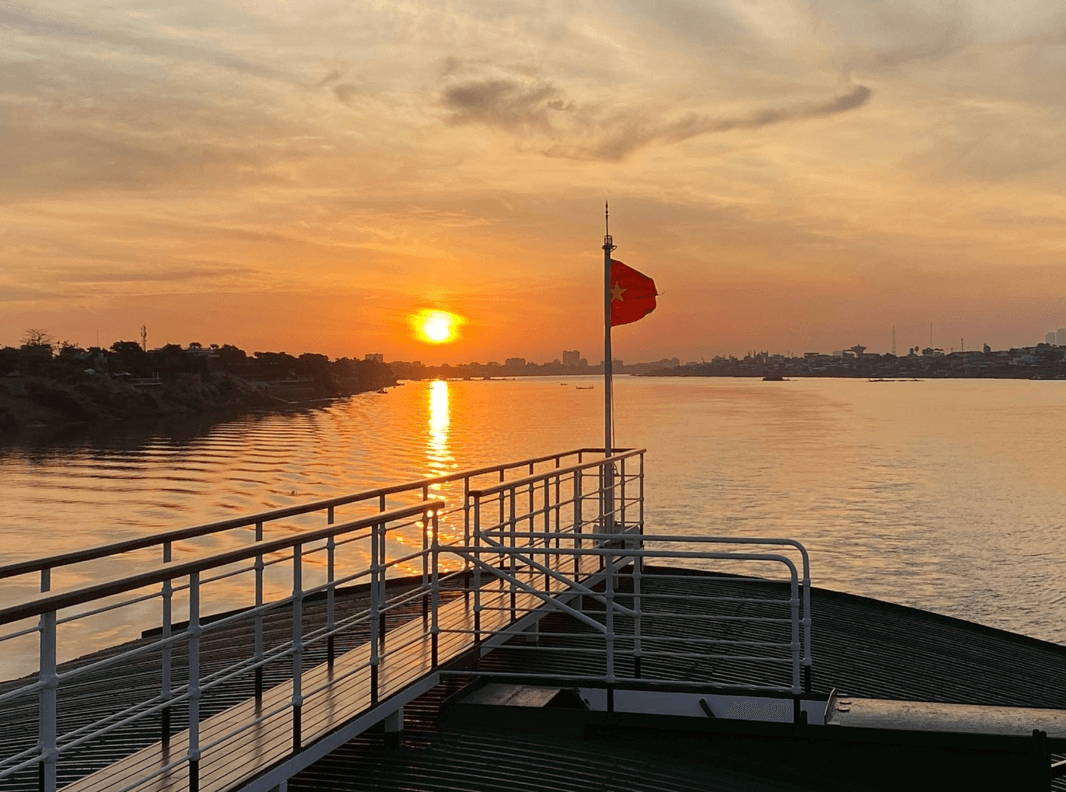
The Foreign Correspondents’ Club (FCC) is a popular hotel, bar, and restaurant decorated in a colonial design with wooden roller blinds and ceiling fans. Its spacious terrace bar, with views over the Mekong, is a favorite spot for a drink at sunset. Although the view of the river from here is striking, I always recommend that visitors rotate 180 degrees to take in the more striking sight of the National Museum’s various rooftops.
The city’s architecture ranges from majestic French colonial to detailed Buddhist, creating an enticing visual tapestry. We can arrange for a trained architect to give you a tour of the city and point out the impressive buildings that Vann Molyvann, a student of Le Corbusier, created.
It’s easy for tourists visiting Phnom Penh to be oblivious to the state’s crimes against its people until they visit the Killing Fields (where the dictatorship killed over a million residents) and the Tuol Sleng old jail.
Kien Svay, just 18 kilometers from Phnom Penh, is a charming town where many Phnom Penh residents spend their weekends away from the hectic capital.
It’s a picnic place along the river close to the city but only gets a few tourists from other countries.
Picnickers may relax in bamboo shacks along the river, and those who didn’t bring their provisions can stock up at the nearby market. Don’t be shocked if some of the locals try out their English on you; the mood is friendly.
Angkor Wat, Cambodia
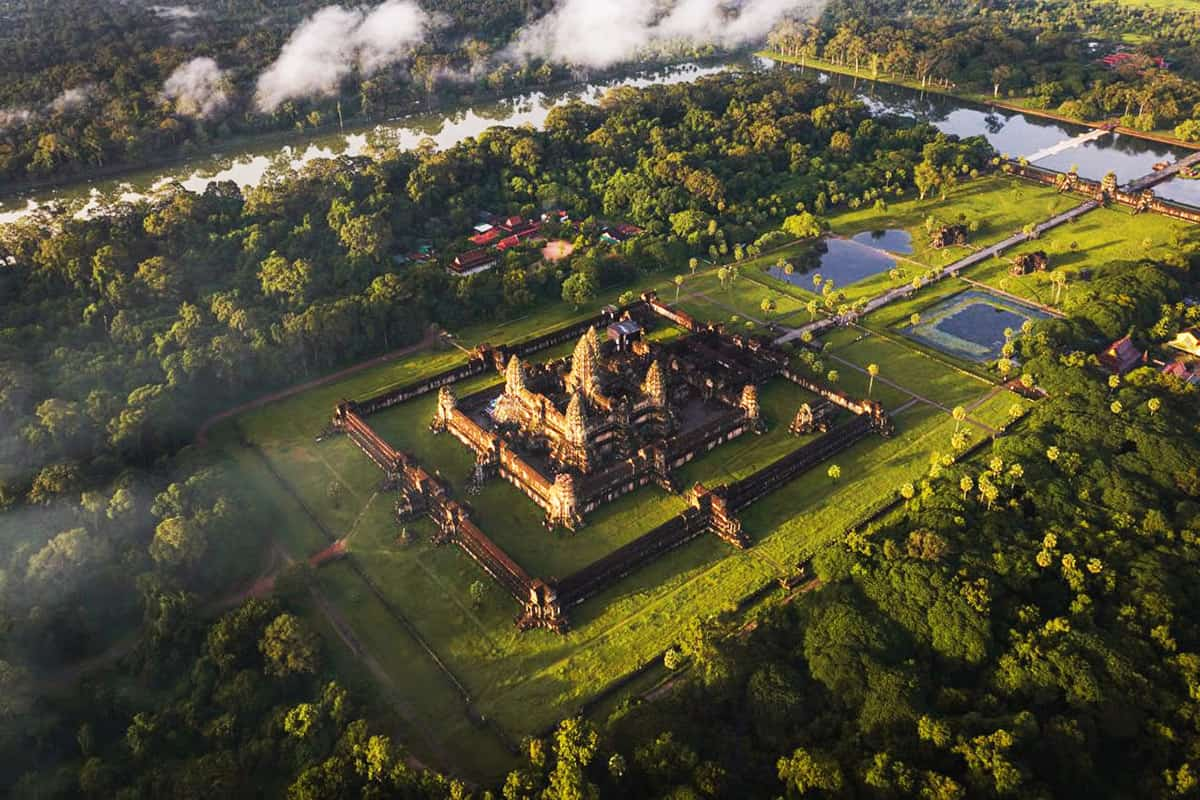
Angkor Wat, constructed between the ninth and fifteenth centuries, is the world’s biggest active religious structure. It had been overgrown and neglected until a Frenchman named Henri Mouhot ‘found’ it in 1860.
The temples of Angkor embody the ancient Khmer Empire’s spiritual center and the universal standard for what a temple in the forest of the gods should look like.
Getting the most out of your trip to Siem Reap, the unexpectedly bustling tourist town only a few kilometers from the temple entrance, is becoming more difficult as the number of visitors increases.
Banteay Srei Temple, Cambodia
Although Banteay Srei is one of the smallest temples in the Angkor complex, its beauty lies not in its size but in its intricate carvings covering almost every surface.
Banteay Srei translates to “citadel of women.” its smaller, more delicate architecture is adorned with sculptures of Apsara dancers, women carrying lotus flowers, and images from the Hindu epic narrative of the Ramayana.
Banteay Srei, located 40 kilometers from Siem Reap and surrounded by forest, is a fantastic alternative for those who want to see Angkor outside the confines of the city’s major temple complex.
You can see the finest of both temples by visiting them together. Start the day in Ta Prohm and then go to Phnom Kulen National Park, where you may eat lunch while enjoying an almost empty waterfall. The excursion doubles back to Banteay Srei in the late afternoon when the red sandstone glows pink in the setting light and is most desolate and beautiful.
Siem Reap, Cambodia, Angkor Wat, Indochina, Southeast Asia
If you want to avoid taking a plane between Phnom Penh and Siem Reap, the nearest city to Angkor, Battambang, is a fantastic option.
A town on the supple Sangker River formerly a French colony that became a Khmer Rouge stronghold in the 1970s has yet to regain its previous vitality.
Bicycling around the city, through its crumbling colonial-era homes and the odd temple ruin, is a great way to take in the city’s unique character since there is no traffic and no slopes.
The Elephant Environment Initiative
Six hours outside Phnom Penh, in the verdant highlands of Sen Monorom, is an amazing conservation initiative called the Elephant Livelihood Initiative Environment (ELIE).
It saves domestic elephants in Cambodia from exploitative working conditions and educates the local Bunong people on conserving wild elephant populations.
You may spend a few days with the animals, learning about them and helping the mahouts bathe their elephants at a local waterhole.
Rather than being a simple transportation, riding the animals here also serves as a learning experience.
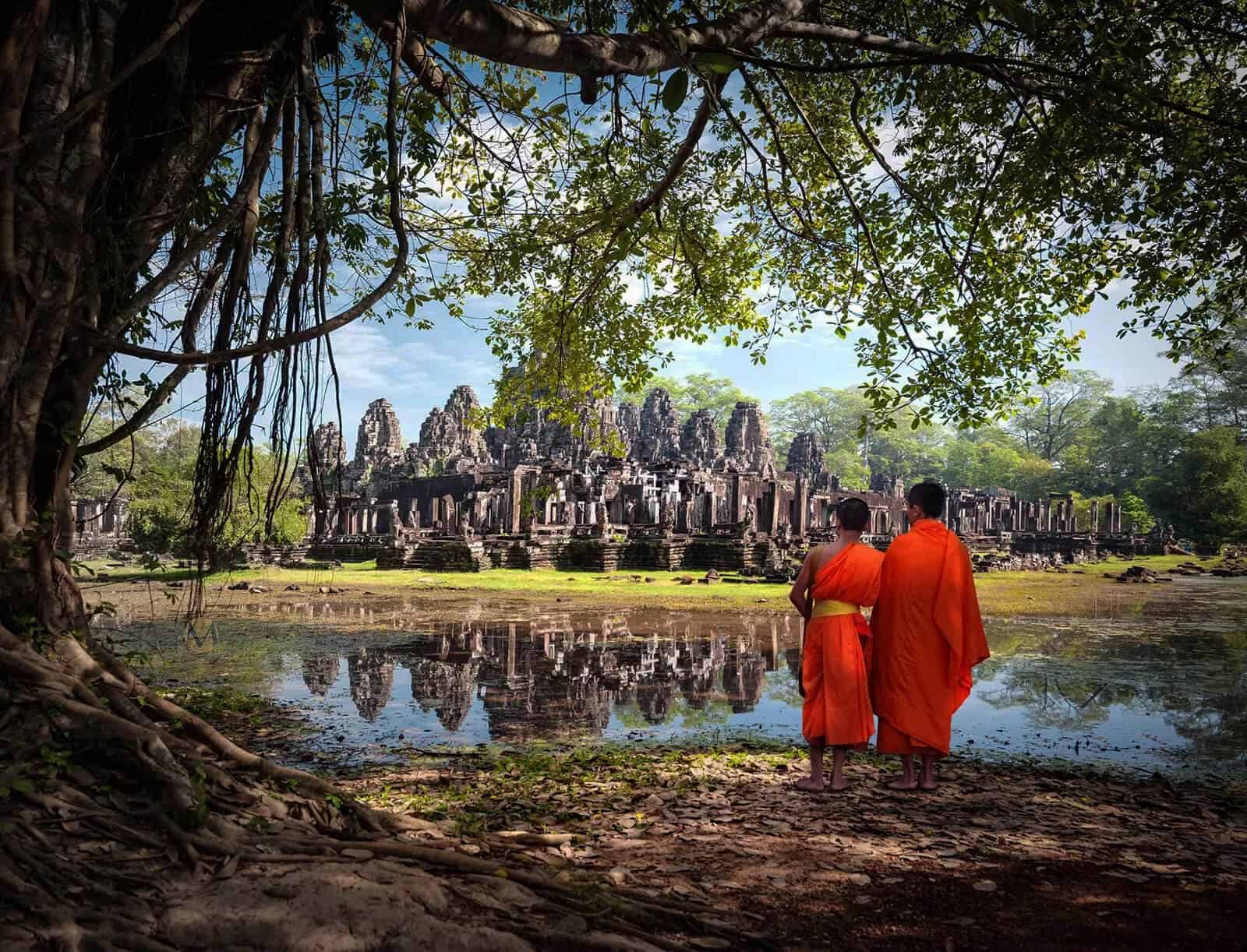
Bayon Temple at Angkor Thom, Angkor, Cambodia
This eerie shrine has over 11,000 carvings and 216 human faces cut into stone. The temple’s symmetry and the surrounding forest make it one of my favorites at Angkor. All the statues are widely believed to depict the very egotistical King Jayavarman VII.
Massed figures from a naval conflict, a military procession, and a triumph parade may all be seen in the Bayon bass reliefs. Also included is a scene depicting the arrival of a traveling circus replete with a strongman and tightrope walkers.
Bayon, less well-known than Angkor Wat and located some distance from it, is another candidate for a dawn viewing since it is as stunning.
Koh Kong River, At The 4 Rivers Floating Lodge
The 4 Rivers Floating Lodge in the heart of the Cardamom Mountains is like nothing you’ve ever seen. There are 12 safari-style tents on floating pontoons, so you won’t feel roughing it despite the location’s untouched beauty.
The four-hour trip from Phnom Penh and the thirty-minute boat ride are worth it.
One of my favorite memories is swimming in the tranquil river from the landing platform outside my tent. The river mirrored the pink sky as I fished with a basic rod and hook one late afternoon after swimming in a shower.
Houses of a Cambodian floating community on the Tonle Sap
The ‘floating villages’ of Tonle Sap, Southeast Asia’s biggest freshwater lake, are home to a diverse population, including Cambodians and Vietnamese. Although there are several unique bird species to look out for, my favorite part of visiting this lake is getting to know the people who have made their homes around it.
The ‘floating towns’ are constructed on stilts, but between July and February, when the lake is at its deepest, they give the illusion of floating. Several may be reached by longtail boat, providing the unique experience of passing by ‘floating’ post offices, pharmacies, and eateries.
Tonle Sap is unique among lakes because its outflow changes direction at times of high snowfall in the Himalayas. This causes the lake to expand to almost six times its size during the dry season.
The Prek Toal Biosphere is the place to go if you’re interested in birdwatching during the dry months of March through June.
During this time of year, you have a higher chance of sighting water birds such as the spot-billed pelican, lesser adjutant, and black-headed ibis, but the communities stranded on the dry lakebed are less appealing.
The temples of Angkor have bass reliefs depicting many kinds of storks and cranes, including the sarus crane.
Grilled prawns, squid, and octopus at a Kep, Kampot Province, Cambodia seaside restaurant.
The tranquil seaside village of Kep is the perfect location to unwind after a long journey. Once the domain of French colonial masters and now the Cambodian aristocracy, this area sees few foreign tourists despite its attractive fading houses, excellent seafood shops, and Rabbit Island’s pristine white sand beaches.
Aside from observing the people go about their day on the quaint main street, you can also pick up some items for lunch at the crab market if you get there first thing in the morning. Then, hire a local to take you to Rabbit Island via boat.
It would take you less than an hour to walk around the whole island, but I recommend skipping that in favor of lounging on the beach, having a picnic while a local chef in one of the huts prepares fish for you, and then watching the waves crash on the shore.
Ta Prohm temple, Cambodia
Although many visitors begin their days at Angkor Wat, if you can only see one temple at dawn, I suggest making the journey to Ta Prohm.
Large creeper tree roots have been entangled with the stonework, making this temple unique in its current form.
When the night finally reaches daylight, and the atmospheric tangle is revealed, you could have the morning all to yourself.
You’ll have to get up at 5:45 a.m. to make it to the park on time, but you’ll still return to the hotel in time for breakfast.
Ready to plan? Explore our private Cambodia tours, or read our guides to Where to Stay in Siem Reap, Cambodia and Cambodia Tour Packages.
See Angkor Wat, Banteay Srei and the Bayon, explore Phnom Penh, visit the floating villages of Tonle Sap and relax on the coast at Kep.
The Bayon has 216 stone faces among more than 11,000 carvings.
Visit smaller temples such as Banteay Srei at the times of day when Angkor Wat is busiest.
At conservation projects in the hills around Sen Monorom, about six hours from Phnom Penh.
The ideal travel season generally falls during the dry, sunny months. Speak with our specialists for month-by-month climate recommendations tailored to your specific itinerary.
Yes, 100%. All My Way Travel itineraries are bespoke. We adjust durations, accommodations, activities, and destinations to suit your exact preferences.
All our private journeys are 100% tailor-made around your dates, pace, and passions. Talk to our specialists to customize any itinerary below or create a completely bespoke trip.
Direct advice: +1 (888) 898-0888 • Free tailor-made proposal
Why journey with us
One expert owns your journey from first sketch to final boarding pass.
Closed doors open quietly: ateliers, cellars, private homes, museums after dark.
A real voice at 3 a.m. in any time zone, whatever the question.
Bonded, insured and transparent about every dollar before you commit.
Begin
Tell us how you dream of travelling. Within 24 business hours, an in-country specialist will curate the first sketch of your route — bespoke ideas first, commitment never.
Concierge available 24/7 across all Asian time zones · New York registered