

A dedicated designer
One expert owns your journey from first sketch to final boarding pass.
Last updated:
Quick answer: Siem Reap is the service base for Angkor Archaeological Park, a UNESCO World Heritage landscape of temples, reservoirs and historic routes spread across about 400 square kilometres. Stay near the Old Market or river for dining and evening walks; allow at least three nights if you want Angkor Wat, the Bayon and Ta Prohm without compressing every visit into one day.
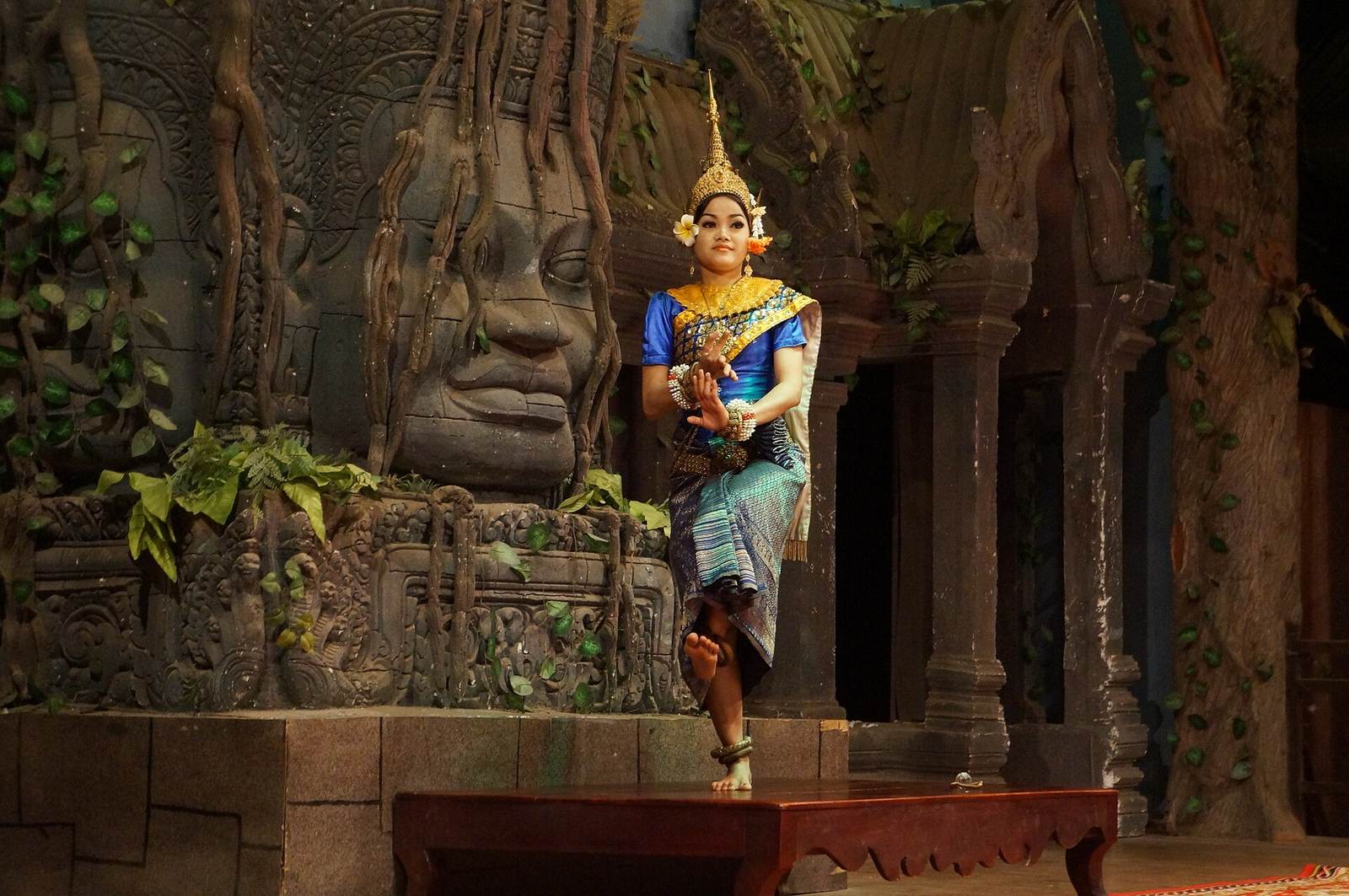
Featured photograph: Khmer classical dance in Siem Reap. Photo by Pierre André Leclercq, Wikimedia Commons, CC BY-SA 4.0. Original image and license.
Plan a private Cambodia journey: Request a Siem Reap itinerary. Tell us how many temple days you want, your walking pace and whether to add Tonle Sap, Phnom Kulen or another Cambodian destination. Tickets, guide, transport and hotel location should be confirmed for your dates.
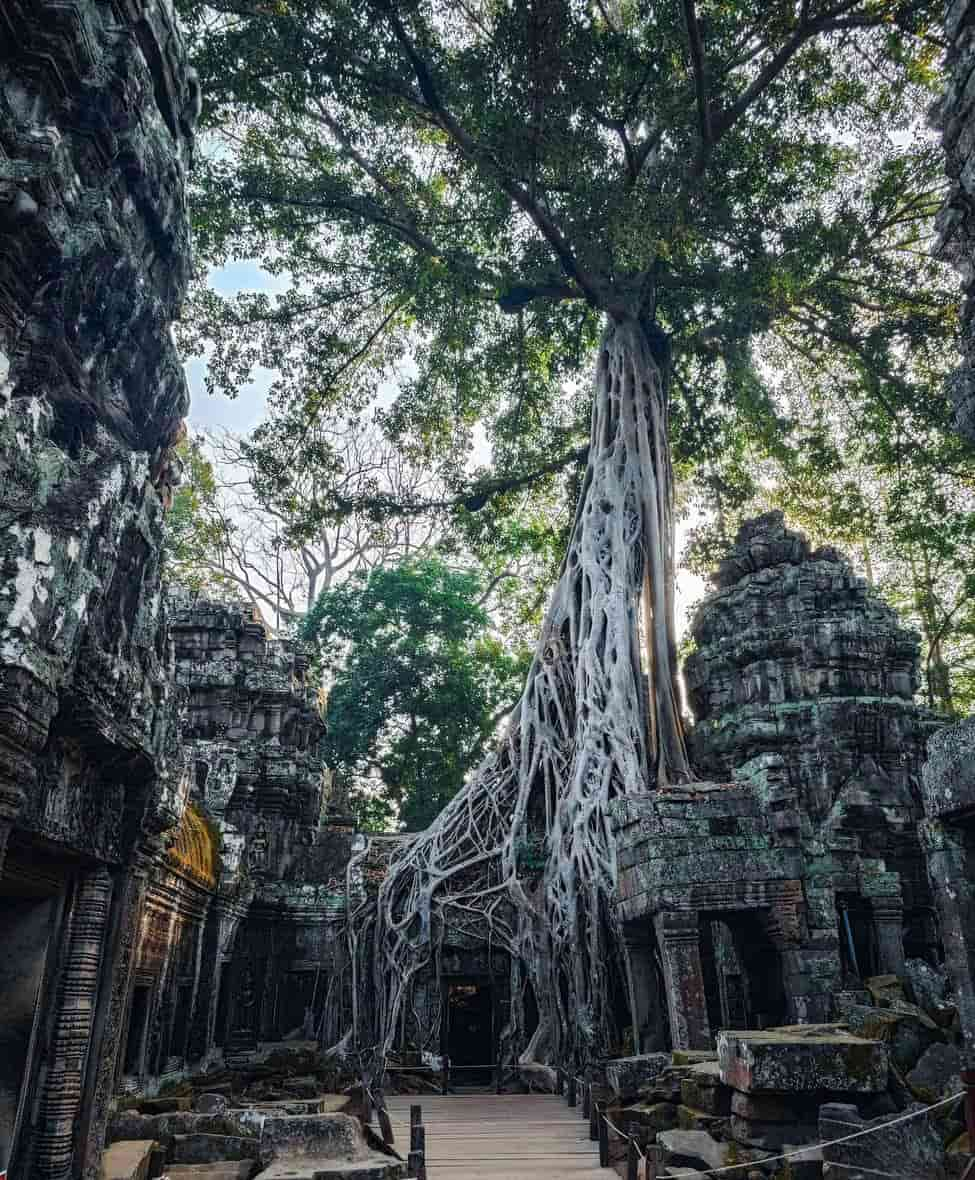
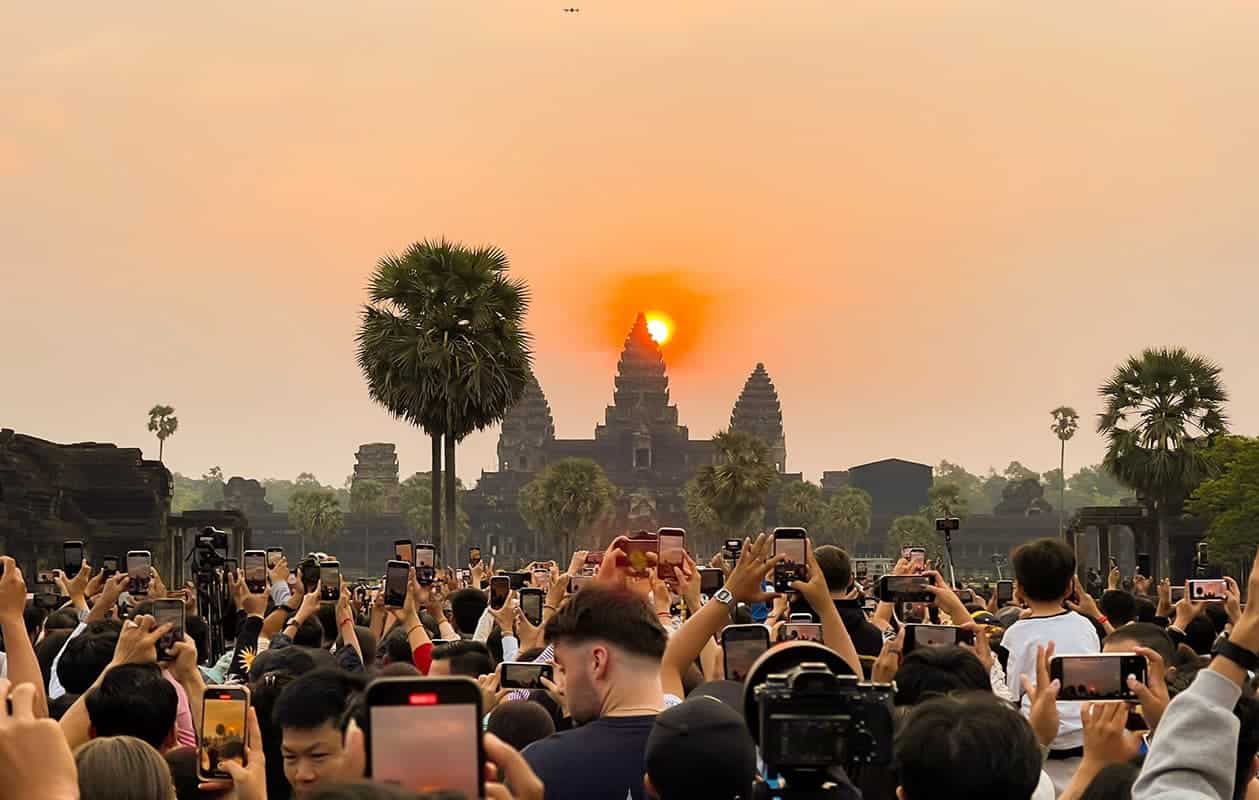
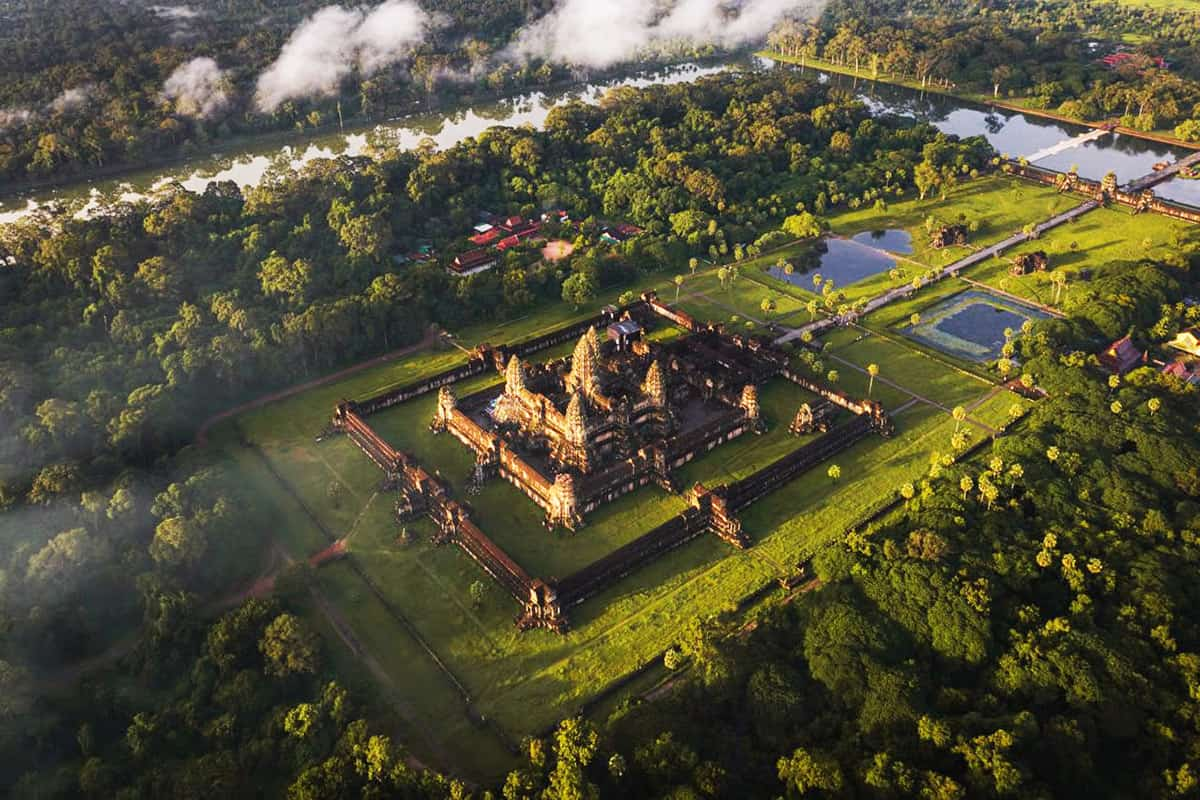
Siem Reap is the modern city where most travelers stay, eat and arrange guides; Angkor is the much larger archaeological and cultural landscape north of town. UNESCO describes the World Heritage property as approximately 400 square kilometres, including temples, hydraulic structures and historic communication routes. Angkor Wat is one celebrated temple within that wider system, alongside sites such as the Bayon, Preah Khan and Ta Prohm. A trip organized around one temple alone misses how the ancient capital and water landscape fit together. UNESCO World Heritage Centre: Angkor.
The city works as a practical base for early departures, dining and recovery between temple days. Choose accommodation by transport access as much as style: central Old Market and river areas are convenient for restaurants and walking, while resorts farther out may need a car for every meal or evening activity.
Three nights is a useful first-time minimum: one full day for the core Angkor circuit, a second day for a more considered route or sunrise, and arrival/departure time in town. Four or five nights make room for smaller temples, a guide-led history visit, a slower pace or an excursion outside the central archaeological park. Angkor covers a wide area, so travel time between temples, heat and walking matter more than the number of stops on an itinerary.
Choose the pass length by the number and spacing of your planned temple days. The official Angkor Enterprise ticket page currently lists 1-day, 3-day and 7-day Angkor Temple Park passes; at the time checked on 4 November 2026, the displayed prices were US$37, US$62 and US$72 respectively. The page lists validity periods of one day, seven days and thirty days for those products. Prices, access rules and ticket systems can change, so confirm the live official page before purchase. Angkor Enterprise identifies itself as the official ticket office and warns that tickets from other sellers are not valid. Official Angkor Enterprise ticket options.
| Pass | Often suits | Check before buying |
|---|---|---|
| 1 day | A short stay focused on the main circuit | Whether your full route is realistic in one day and ticket-use rules. |
| 3 days | Two or three temple visits spread across a week | Validity window and which park entries are included. |
| 7 days | Slow temple exploration or a longer cultural stay | Current validity and any special-ticket requirements for sites outside the standard Angkor pass. |
Angkor is a sacred place and an archaeological site, not an open playground. APSARA National Authority’s Visitor Code asks travelers to dress appropriately, respect worshippers and monks, avoid touching or climbing, take litter away and not give money to children. Follow signs and staff directions, do not cross barriers for photographs and keep noise low around active religious spaces. APSARA National Authority: visitor code and tourism information.
Siem Reap is hot for much of the year. Rainy periods can bring dramatic greenery but also wet paths and changing transport conditions; drier months can be busier and dusty. The best plan depends on your heat tolerance, crowd preference and trip dates. Start early, hydrate, wear shoes suited to uneven stone and check weather and temple access close to travel.
Stay near the river or Old Market if you value restaurants, cafés and an evening stroll. Choose a quieter resort outside the center for pools, gardens and more space, with the trade-off of daily vehicle transfers. For a luxury or family trip, confirm family room configuration, pool safety, early breakfast, laundry, elevator access and whether the hotel can provide a packed breakfast for sunrise departures. A beautiful property is less useful if transfer time undermines an early temple start.
No. Siem Reap is the nearby city and visitor base. Angkor Wat is one temple in the broader Angkor archaeological landscape.
At the official ticket page checked 4 November 2026, the listed Angkor Temple Park prices were US$37 for one day, US$62 for three days and US$72 for seven days. Recheck the official site because prices and ticket conditions can change.
Use Angkor Enterprise or a tour operator who purchases through the official channel. Angkor Enterprise warns that tickets from other sellers are not valid.
Two temple days spread over a three-night stay works for many first visits. Add days for a slower pace, farther sites or rest between early starts.
World Heritage scope and site context were checked against UNESCO; ticket types, prices and validity against Angkor Enterprise; and visitor conduct against APSARA National Authority. This is desk research, not a first-hand temple report. Reconfirm live ticket prices, entry rules, operating hours, transport and access for your travel date.
“A private tailor-made journey in Siem Reap & Angkor allows you to explore at your own unhurried pace, with private transfers and local guides revealing cultural layers that standard tours overlook.”
— Emily, Cambodia Destination Specialist at My Way Travel
Explore key landmarks and points of interest across Siem Reap & Angkor
Our itineraries will give you suggestions for what is possible when you travel in Siem Reap, and they showcase routes we know work particularly well. Treat them as inspiration, because your trip will be created uniquely by one of our specialists.
Experiences listed for this destination
Written by our specialists from their own experiences of visiting Siem Reap, these guides will help you make the most of your time there. We share both our practical recommendations and the best ways to appreciate Siem Reap at its best.
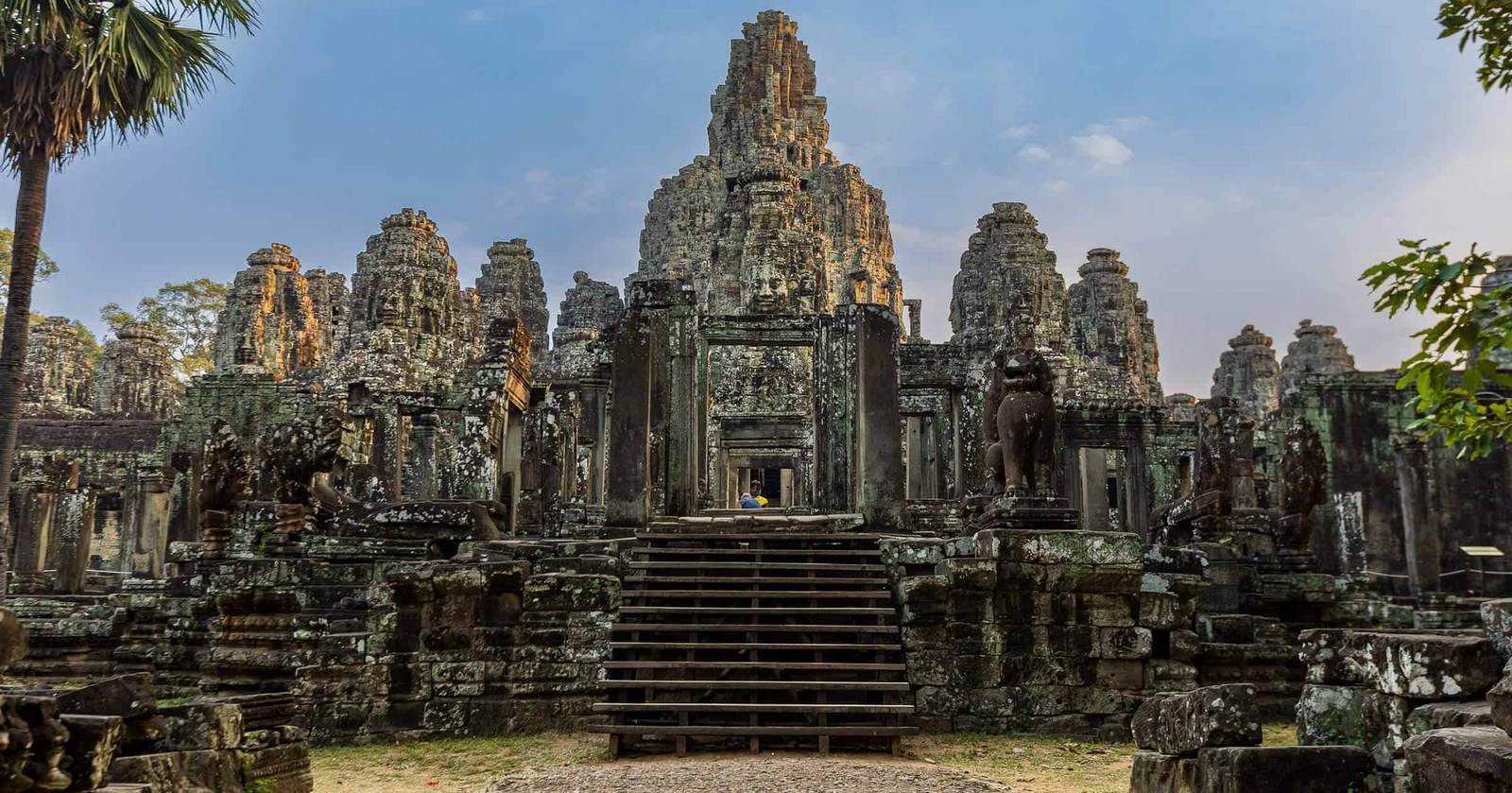
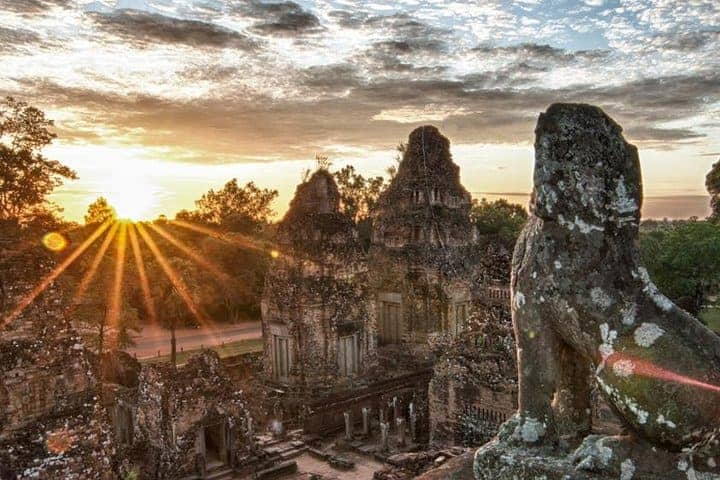
Where to stay in Siem Reap: Old Market and Pub Street, Wat Bo, Sala Kamreuk and the resort areas toward Angkor, compared, with tips on distance, noise and choosing by trip style.

The best time to travel to Vietnam and Cambodia together: the months that work for both, region-by-region weather in Vietnam, and when to visit Angkor.
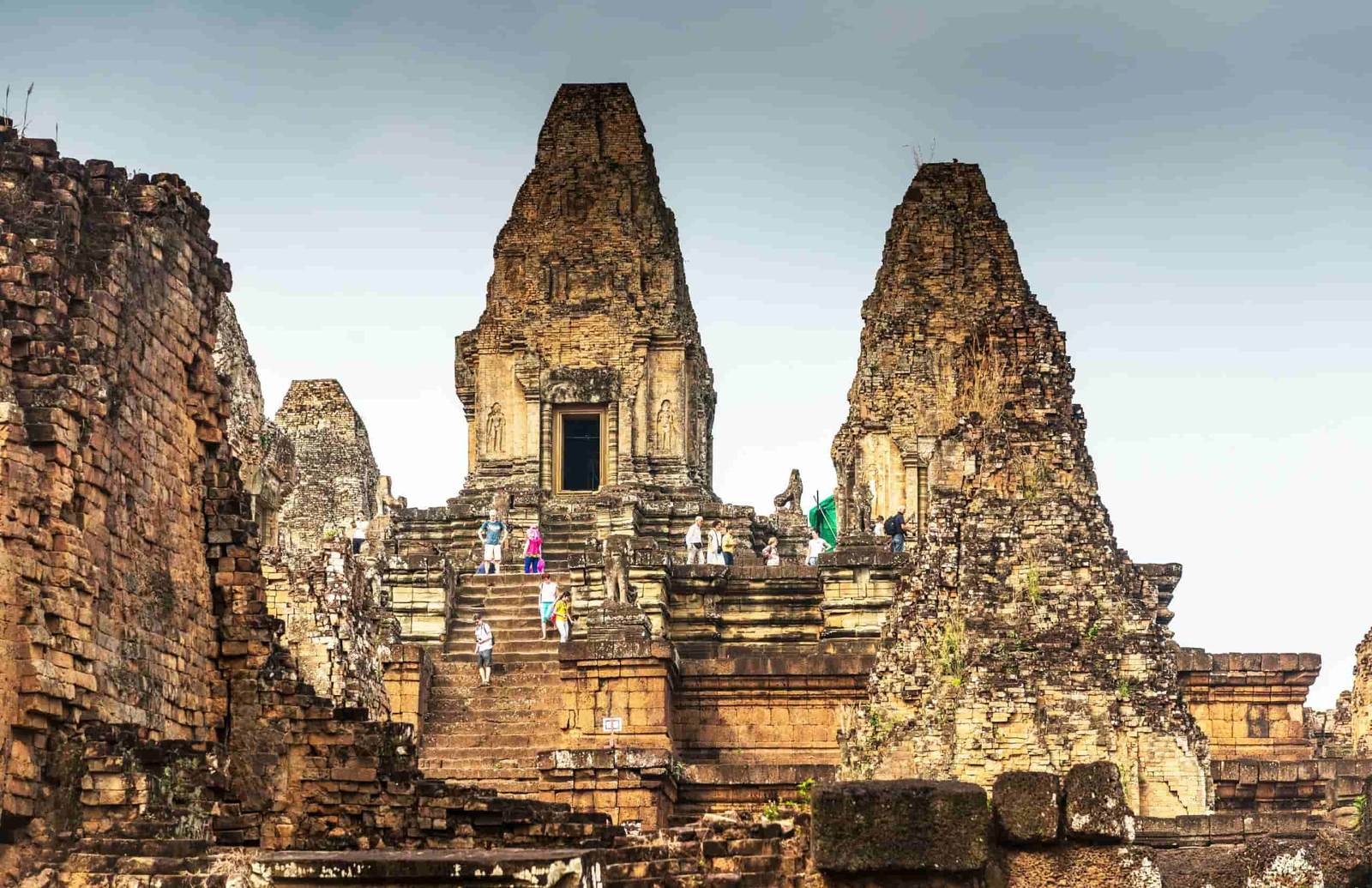
Choosing a Cambodia tour package? Sample 5-, 7- and 10-day routes with Angkor Wat, Phnom Penh and the coast, what to ask for, the best season, and the $30 e-visa in 2026.
Call our direct travel designer desk or request your complimentary bespoke proposal.


The World On Your Terms reveals what awaits when you explore the globe with our specialists. Covering six continents, this volume features handpicked routes, insider tips, and signature experiences.
Request Your Copy
Why journey with us
One expert owns your journey from first sketch to final boarding pass.
Closed doors open quietly: ateliers, cellars, private homes, museums after dark.
A real voice at 3 a.m. in any time zone, whatever the question.
Registered in New York, with every cost itemised in your quote before you commit.
Begin
Tell us how you dream of travelling. Within 24 business hours, an in-country specialist will curate the first sketch of your route — bespoke ideas first, commitment never.
Planning team Mon–Sat 8am–8pm EST · 24/7 emergency line while you travel · New York registered