

A dedicated designer
One expert owns your journey from first sketch to final boarding pass.
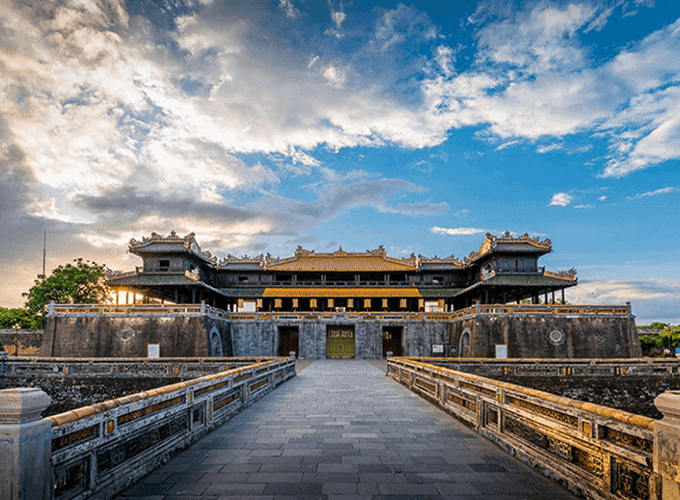
As you stroll through the ancient citadel of Hue, remnants of its turbulent history are visible in the pockmarked walkways, scarred by helicopter gunfire. From its 19th-century heyday as the capital under the Nguyen Dynasty to its pivotal role in the 1968 Tet Offensive, Hue carries the weight of Vietnam’s history. Today, while the city embraces its past, it has also become a center for Vietnamese art, culture, and cuisine.
Hue was first settled by the Cham people and later influenced by Dutch, Portuguese, and French visitors. However, it was during the Nguyen Dynasty’s reign, under French protection, that the city’s character truly developed. The Nguyens ruled from 1802 until their fall in 1945, a period that saw the construction of the grand mausoleums that line the Perfume River.
These lavish tombs were often built at the expense of the common people, with taxes being raised to fund the projects. Exploring these tombs by bicycle, car, or boat is a must. Some, like Emperor Minh Mang’s 19th-century complex, feature gardens and pavilions, while others, like Khai Dinh’s tomb, reflect 20th-century innovations such as cement construction.
Explore key landmarks and points of interest across Hue
With a tailor-made trip to Hue, you can customize your itinerary to suit your interests and preferences. Let Myway help you to create your perfect itinerary.
Hand-picked hotels and resorts recommended by our specialists for stays in Hue
Signature activities and private experiences our specialists recommend in Hue

Sail Hue’s Perfume River to the peaceful Thien Mu Pagoda, then explore Minh Mang’s pine-fringed mausoleum, steeped in imperial history and serene natural beauty.
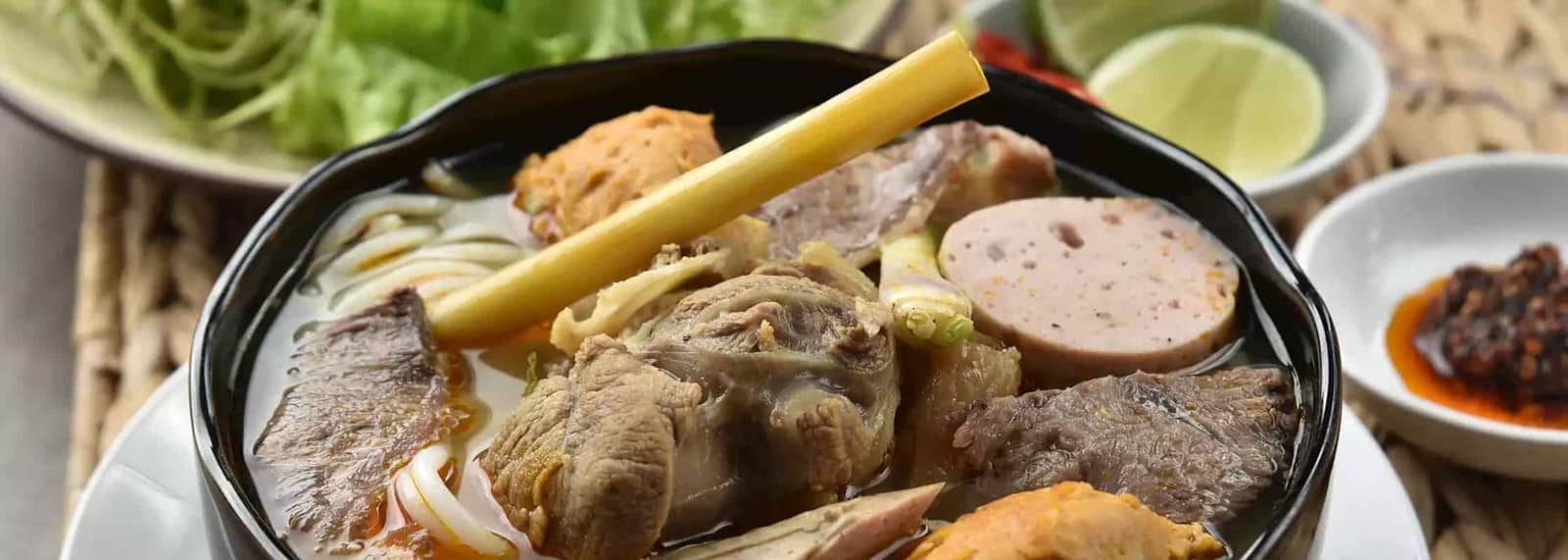
Join the Y Thao Cooking Class in Hue and learn to prepare royal Vietnamese dishes in a traditional garden setting near the historic citadel. A must-do cultural experience!
Handcrafted destination guides, insider advice and cultural insight for Hue and Vietnam
Vietnam has numerous beaches along its extensive coastline, with hundreds of notable beach destinations spread across the northern, central, and southern regions.
Explore the vibrant cultures, stunning landscapes, and delicious cuisines of Thailand and Vietnam in an unforgettable journey blending adventure and relaxation.
Explore Vietnam's family-friendly experiences, from vibrant cities to stunning landscapes and beautiful beaches. Plan your unforgettable family vacation in Vietnam today!
Call our direct travel designer desk or request your complimentary bespoke proposal.


The World On Your Terms reveals what awaits when you explore the globe with our specialists. Covering six continents, this volume features handpicked routes, insider tips, and signature experiences.
Request Your Copy
Why journey with us
One expert owns your journey from first sketch to final boarding pass.
Closed doors open quietly: ateliers, cellars, private homes, museums after dark.
A real voice at 3 a.m. in any time zone, whatever the question.
Bonded, insured and transparent about every dollar before you commit.
Begin
Tell us how you dream of travelling. Within 24 business hours, an in-country specialist will curate the first sketch of your route — bespoke ideas first, commitment never.
Concierge available 24/7 across all Asian time zones · New York registered