

A dedicated designer
One expert owns your journey from first sketch to final boarding pass.
Last updated:
Quick answer: Mallorca is easiest to plan by region: combine Palma and the south-west, dedicate a separate day to the Serra de Tramuntana, and reserve another block for the north or east coast. The UNESCO-listed Tramuntana is a specific cultural landscape along Mallorca’s north-western mountain range, not the whole island. Four nights lets most first-time visitors see Palma and one other area without changing hotels every day; a week is better for several coasts and villages.
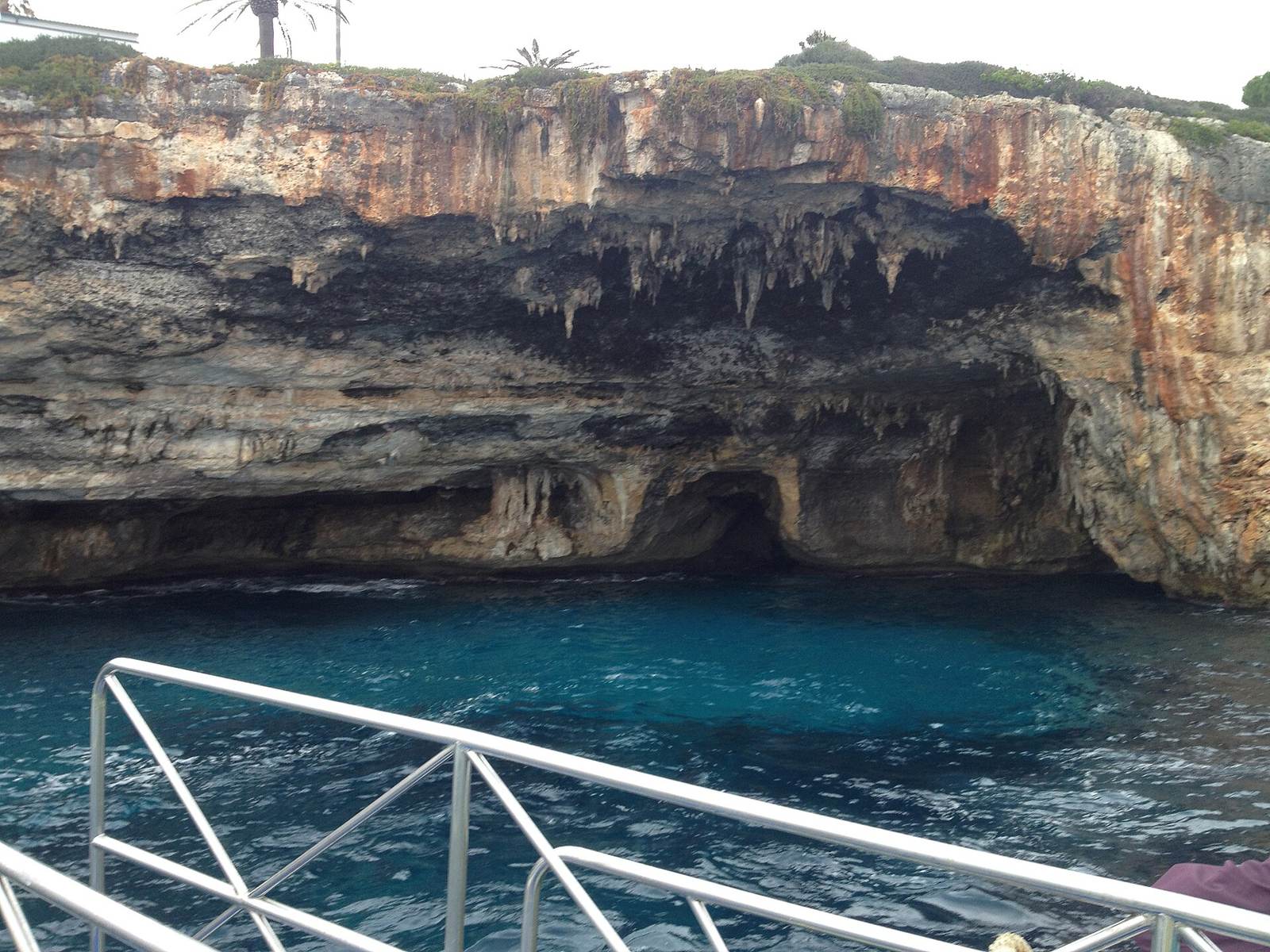
Featured photograph: Rocky Mediterranean coastline on Mallorca. Photo by Killarnee via Wikimedia Commons, licensed under CC BY-SA 4.0.
Plan a private Mallorca itinerary: Request a tailored Mallorca itinerary. Share your arrival airport, nights, preferred base, mobility needs and whether you want a driver, hiking, beaches or food-focused stops. Ask us to compare a Palma-based plan with a multi-base island route and list transfers separately.
Mallorca is a large island with varied terrain, so the best base depends on what you want to do. Palma works for historic architecture, dining and public transport. The Tramuntana villages offer mountain scenery and walking, while coastal resorts and smaller harbors serve beach and boat trips. Driving can make dispersed stops easier, but summer congestion and limited parking can make car-free plans more practical in Palma and some resort areas.
| Area | Best for | Plan around |
|---|---|---|
| Palma | Cathedral, old town, museums, markets and dining. | Walk the center; choose an accommodation near transit if adding day trips. |
| Valldemossa and Deià | Tramuntana village streets, mountain landscape and cultural stops. | Use current bus or road information; narrow streets and parking can be constrained. |
| Sóller and Port de Sóller | Mountain-valley scenery, historic transport and a harbor. | Check the train, tram or bus schedule independently; services and tickets can change. |
| North coast | Alcúdia, Pollença and long coastal days. | Allow more time if combining with Palma or the Tramuntana on the same day. |
| East and south-east | Coves, beaches and smaller coastal towns. | Check access, parking, seasonal services, sea conditions and shade. |
Use the sequence below as a planning model. It is not a fixed excursion timetable and should be adapted to seasonal transport and weather.
| Day | Route idea | Useful check |
|---|---|---|
| 1: Palma | Old town, cathedral area, waterfront and a relaxed evening. | Reserve any interior visit and check current opening hours. |
| 2: Tramuntana | Choose Valldemossa and Deià, or Sóller and Port de Sóller. | Do not try to visit every mountain village in one day; verify bus/train departures. |
| 3: North or east coast | Pick one beach or harbor area and a nearby town. | Check parking, beach services and water conditions for that exact cove. |
| 4: Flex day | Return to Palma, take a boat trip or visit another nearby village. | Keep this flexible for changing weather or a slow start. |
For a seven-night stay, split the accommodation between Palma or the south-west and a second base near the north or east. Two bases reduce driving but add check-in and luggage time. One base is simpler for families and travelers with mobility needs; choose a central location and accept longer day trips.
UNESCO inscribed the Cultural Landscape of the Serra de Tramuntana in 2011. It follows the steep north-western mountain range and documents how terraces, dry-stone structures and water-management systems shaped agricultural settlement in a resource-scarce landscape. The designation does not cover every Mallorca attraction or the entire island. When choosing a village route, consider the landscape as a lived-in cultural place, not only a scenic backdrop.
Plan walks around your ability, heat and water access. Some routes use exposed paths or uneven stone surfaces. Check current trail notices and local weather, carry water and avoid starting a demanding hike in the hottest part of the day. If you are not hiking, a village visit can still show the relationship between settlement, terracing and mountain terrain.
A car gives flexibility for multiple coves and small villages, but it requires attention to parking, narrow roads and seasonal traffic. Public transport can work well for some Palma and Tramuntana routes. The Balearic tourism authority highlights road connections and the historic electric train from Palma to Sóller; verify timetables and transfers with the operator because schedules vary by date and season.
Do not build a day around a single old bus timetable copied from a third-party page. Confirm the outbound and return service, last departure, any reservation requirement and how you reach the stop from your hotel. For private transfers, clarify whether waiting time, child seats, luggage and village access restrictions are included.
Palma suits a short visit focused on architecture, restaurants and easy arrival logistics. A Tramuntana village is better for a quieter mountain stay but may require a car or careful bus planning. Alcúdia or Pollença can suit a north-coast itinerary, while the east and south-east work for travelers prioritizing beaches and coves. Rather than switching hotels every night, choose one or two bases that match the island regions you plan to explore.
Before booking, check whether a property has stairs, lift access, parking, air conditioning, a minimum stay, late check-in and nearby dining outside the peak season. A sea-view address may be far from transport or services; compare actual location with your itinerary.
Spring and early autumn are often comfortable for outdoor walking, while summer brings warmer sea temperatures and higher demand. Winter can suit Palma and cultural visits, but some seasonal coastal services operate less frequently. These are broad patterns rather than guarantees. Check opening calendars, ferry and bus schedules, water conditions and current trail guidance for your dates.
Four nights is a practical starting point for Palma, one Tramuntana outing and one coastal day. A week allows a second base or more time for beaches and walking.
No. UNESCO’s Cultural Landscape of the Serra de Tramuntana covers a defined mountain landscape on the north-west of Mallorca, not the whole island.
Some routes are accessible by public transport, including the Palma–Sóller train. Confirm current schedules, return services and seasonal operation before relying on them.
Palma is a convenient base for a short stay, but a second base can reduce driving if you want to explore the north, east or remote coves.
We can prepare a private itinerary with accommodation, driver or transfers, guided walks and selected cultural visits, subject to availability. Ask us to state driving time, parking and transport costs clearly.
References checked 4 November 2026: UNESCO: Cultural Landscape of the Serra de Tramuntana; Illes Balears: official Mallorca destination guide; Illes Balears: travel by road and Palma–Sóller train context; Illes Balears: Valldemossa and Tramuntana; Illes Balears: Mallorca towns and Sóller. Photo: Wikimedia Commons source and author; license CC BY-SA 4.0.
Editorial method: This desk-researched guide uses UNESCO and official Balearic destination information. It is not a first-hand island report. Transport schedules, trail conditions, parking, beach services and business opening dates can change; reconfirm them with operators and local authorities.
“A private tailor-made journey in Mallorca allows you to explore at your own unhurried pace, with private transfers and local guides revealing cultural layers that standard tours overlook.”
— Emily, Spain Destination Specialist at My Way Travel
Call our direct travel designer desk or request your complimentary bespoke proposal.


The World On Your Terms reveals what awaits when you explore the globe with our specialists. Covering six continents, this volume features handpicked routes, insider tips, and signature experiences.
Request Your Copy
Why journey with us
One expert owns your journey from first sketch to final boarding pass.
Closed doors open quietly: ateliers, cellars, private homes, museums after dark.
A real voice at 3 a.m. in any time zone, whatever the question.
Registered in New York, with every cost itemised in your quote before you commit.
Begin
Tell us how you dream of travelling. Within 24 business hours, an in-country specialist will curate the first sketch of your route — bespoke ideas first, commitment never.
Planning team Mon–Sat 8am–8pm EST · 24/7 emergency line while you travel · New York registered