

A dedicated designer
One expert owns your journey from first sketch to final boarding pass.
Welcome to our specialist guide to exploring Malaysia. From iconic landmarks to hidden local gems, our destination experts share their curated insights to help you craft the perfect tailor-made holiday.
Every journey with My Way Travel is individually designed around your dates, pace, and passions. Read on for our recommendations on must-see highlights, insider tips, and practical travel advice.

“Exploring Malaysia with private guides and hand-picked boutique stays uncovers a depth and intimacy that ordinary group travel simply cannot provide.”
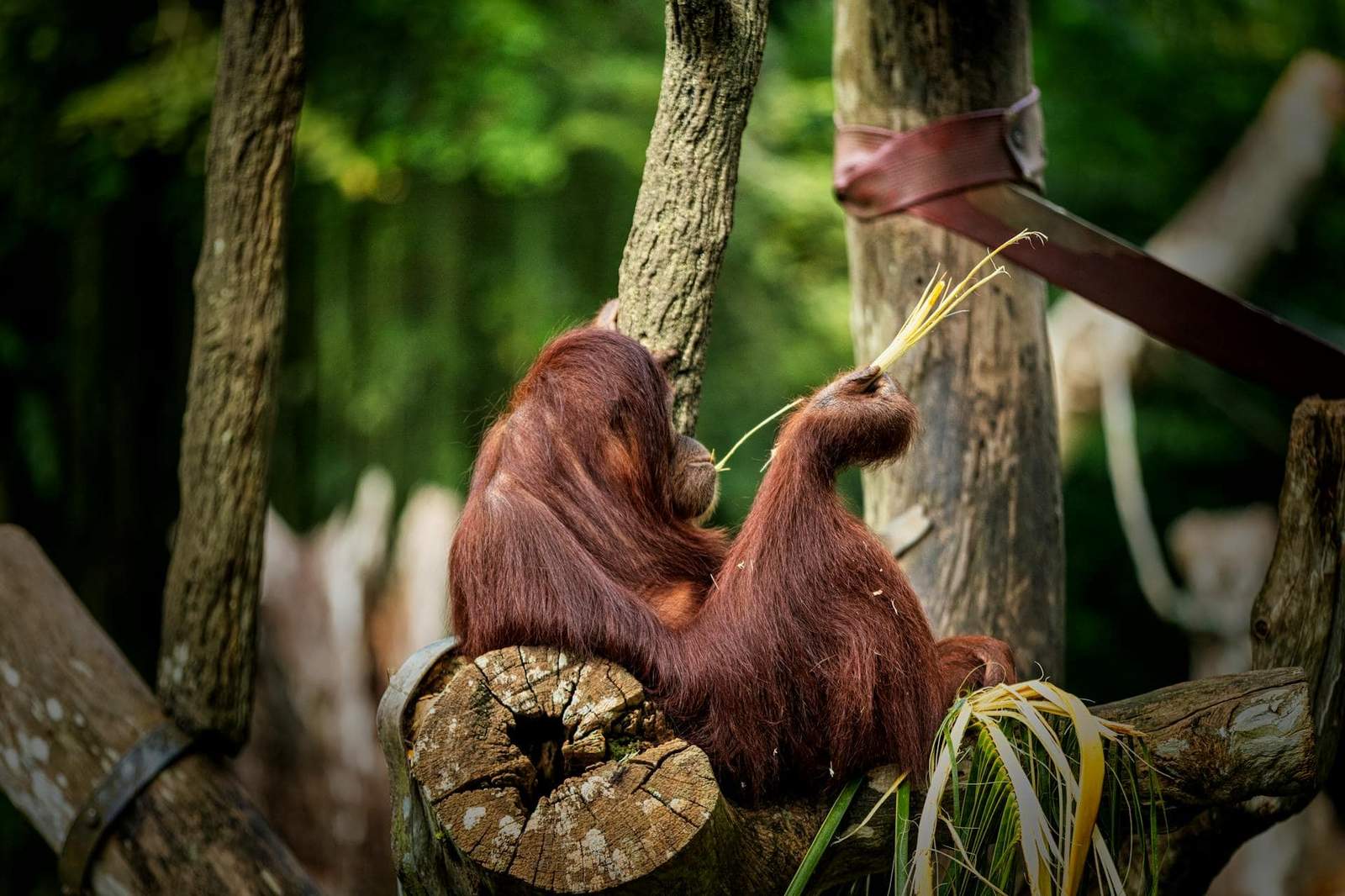
The orangutan, the “person of the forest”, lives wild only in Borneo and Sumatra. In Malaysian Borneo there are several places to see them, from semi-wild rehabilitation centers to jungle lodges where you may encounter wild orangutans in the trees. Here is where to see orangutans in Borneo, and how to choose between the sites.
The Bornean orangutan is one of three orangutan species and is listed as critically endangered. Adult males can be twice the size of females, and the dominant ones develop large cheek pads. Orangutans spend most of their lives in the trees, building a new nest of branches each night, and females raise one baby at a time over many years, which is one reason populations recover so slowly. Seeing one move slowly through the canopy, testing each branch before trusting its weight, is one of the great wildlife moments in Asia.
Near Kuching, this reserve has cared for orphaned and rescued orangutans since 1975, and many of them now roam free in the forest, returning to a feeding platform for fruit twice a day. It is the easiest place to see orangutans on a short trip, within a 45-minute drive from Kuching. Sightings are not guaranteed, since the animals choose whether to come.
Tip for Semenggoh: the center usually has one morning and one afternoon feeding session; check the current times before you go. During the forest fruiting season, often around the turn of the year, the orangutans find plenty of food in the wild and may not come to the platform at all. This is a sign that rehabilitation is working, but plan an extra visit if seeing them is important to you.
Near Sandakan, Sepilok is the best-known center and the most reliable place to watch orangutans from raised platforms at feeding time. Next door, the Sun Bear Conservation Centre cares for the world’s smallest bears. Sepilok has the most affordable entry in Sabah and is easy to reach independently.
Tip for Sepilok: Sepilok has been rescuing and rehabilitating orphaned orangutans since the 1960s. Arrive before the feeding time to get a good spot on the boardwalk, and visit the indoor nursery viewing area, where young orangutans learn to climb behind glass. Stay overnight nearby so that you can see a morning and an afternoon session.
For wild encounters, take a river cruise at dawn or dusk from a lodge near Sukau. You may see wild orangutans in the riverside trees, plus proboscis monkeys, pygmy elephants, macaques and hornbills. Early morning and late afternoon are the best times to look for wildlife.
A protected primary rainforest and the best choice for seeing wild orangutans on guided jungle walks, based at the Borneo Rainforest Lodge. It is remote and more expensive, so it suits dedicated wildlife travelers with extra days.
Though not orangutan sites, Gunung Mulu National Park has enormous caves and rainforest trails, and Bako National Park near Kuching is a good place for proboscis monkeys and bearded pigs.
Wildlife can be seen year-round. The drier months from about March to October are generally easier for travel. See our best time to visit Malaysia.
Read our Borneo island travel guide and explore our Borneo’s Wildlife and Beach Escape, Sabah’s Jungles, Cities and Island Hideaway and Borneo tours.
Planning more of the trip? Read our guides to Malaysia Itinerary.
Sepilok and Semenggoh for easy sightings; Kinabatangan and Danum Valley for wild encounters.
Yes, along the Kinabatangan River and in Danum Valley, though sightings are never guaranteed.
Three to four days for Sepilok and Kinabatangan; more for Danum Valley.
Yes, critically endangered.
Early morning or late afternoon, year-round.
Both Sepilok and Semenggoh usually have morning and afternoon feedings. Check the current times locally, as they can change.
Yes. Sepilok and Semenggoh are easy, short walks on boardwalks and paths, which makes them ideal for families. River cruises on the Kinabatangan also work well with children.
The ideal travel season generally falls during the dry, sunny months. Speak with our specialists for month-by-month climate recommendations tailored to your specific itinerary.
Yes, 100%. All My Way Travel itineraries are bespoke. We adjust durations, accommodations, activities, and destinations to suit your exact preferences.
All our private journeys are 100% tailor-made around your dates, pace, and passions. Talk to our specialists to customize any itinerary below or create a completely bespoke trip.
Direct advice: +1 (888) 898-0888 • Free tailor-made proposal
Why journey with us
One expert owns your journey from first sketch to final boarding pass.
Closed doors open quietly: ateliers, cellars, private homes, museums after dark.
A real voice at 3 a.m. in any time zone, whatever the question.
Bonded, insured and transparent about every dollar before you commit.
Begin
Tell us how you dream of travelling. Within 24 business hours, an in-country specialist will curate the first sketch of your route — bespoke ideas first, commitment never.
Concierge available 24/7 across all Asian time zones · New York registered