Laos Facts for Travelers: Capital, Culture, Language, Money and What to Know Before You Go
Laos Travel Guide • Expert Insights

Laos Facts for Travelers: Capital, Culture, Language, Money and What to Know Before You Go

8 min read•Laos•Updated for 2025/2026
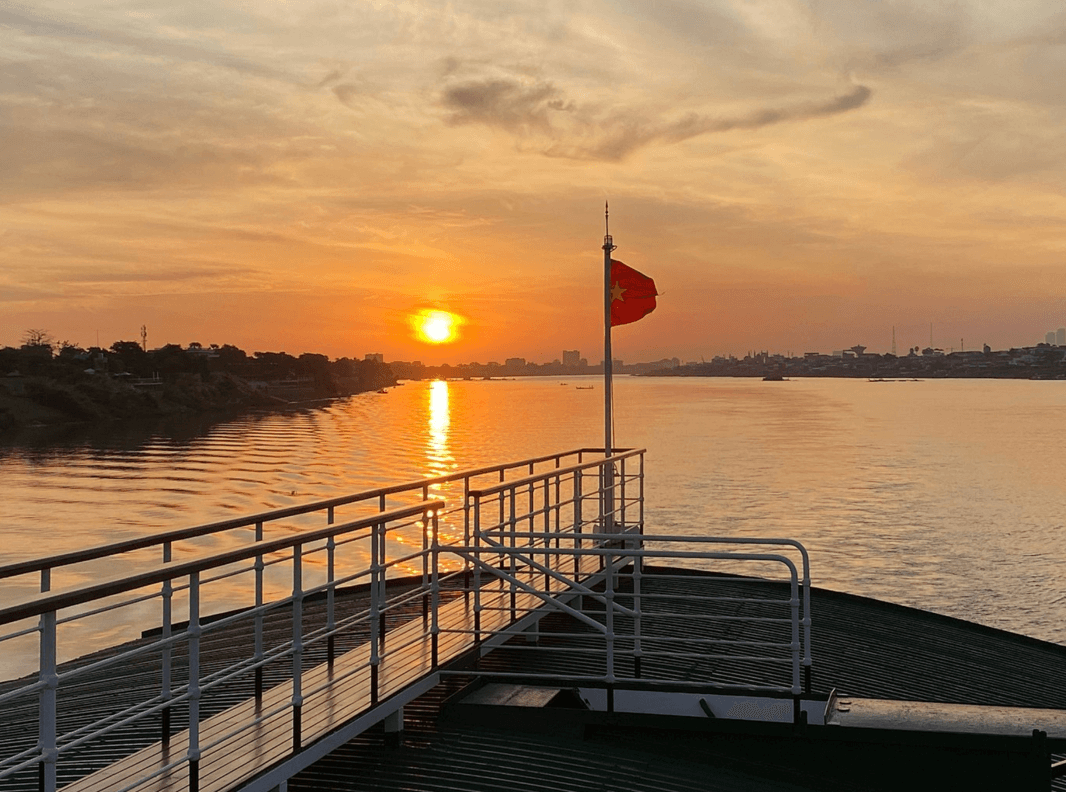
Photo: My Way Travel Curated Archive
In the Specialist's View

Welcome to our specialist guide to exploring Laos. From iconic landmarks to hidden local gems, our destination experts share their curated insights to help you craft the perfect tailor-made holiday.

Every journey with My Way Travel is individually designed around your dates, pace, and passions. Read on for our recommendations on must-see highlights, insider tips, and practical travel advice.

Emily Tran

“Exploring Laos with private guides and hand-picked boutique stays uncovers a depth and intimacy that ordinary group travel simply cannot provide.”

Emily Tran • Senior Laos Specialist · 12+ years experience

Laos is easy to underestimate. It is Southeast Asia’s only landlocked country, one of its least developed and least visited, and one of its most rewarding for travelers who like culture, nature and a slow pace. Here are the Laos facts that help you understand it before you go.

Quick facts

  • Capital: Vientiane (not Luang Prabang, the former royal capital).
  • Location: Southeast Asia, bordered by Thailand, Cambodia, Vietnam, China and Myanmar.
  • Population: around seven million people.
  • Language: Lao; French, English and Thai are also understood in tourist areas.
  • Currency: the Lao kip, which cannot be exchanged outside Laos.
  • Religion: mainly Theravada Buddhism, mixed with animist traditions.
  • Geography: mountainous and forested, crossed by the Mekong River, which forms much of the border with Thailand.

What is the capital of Laos?

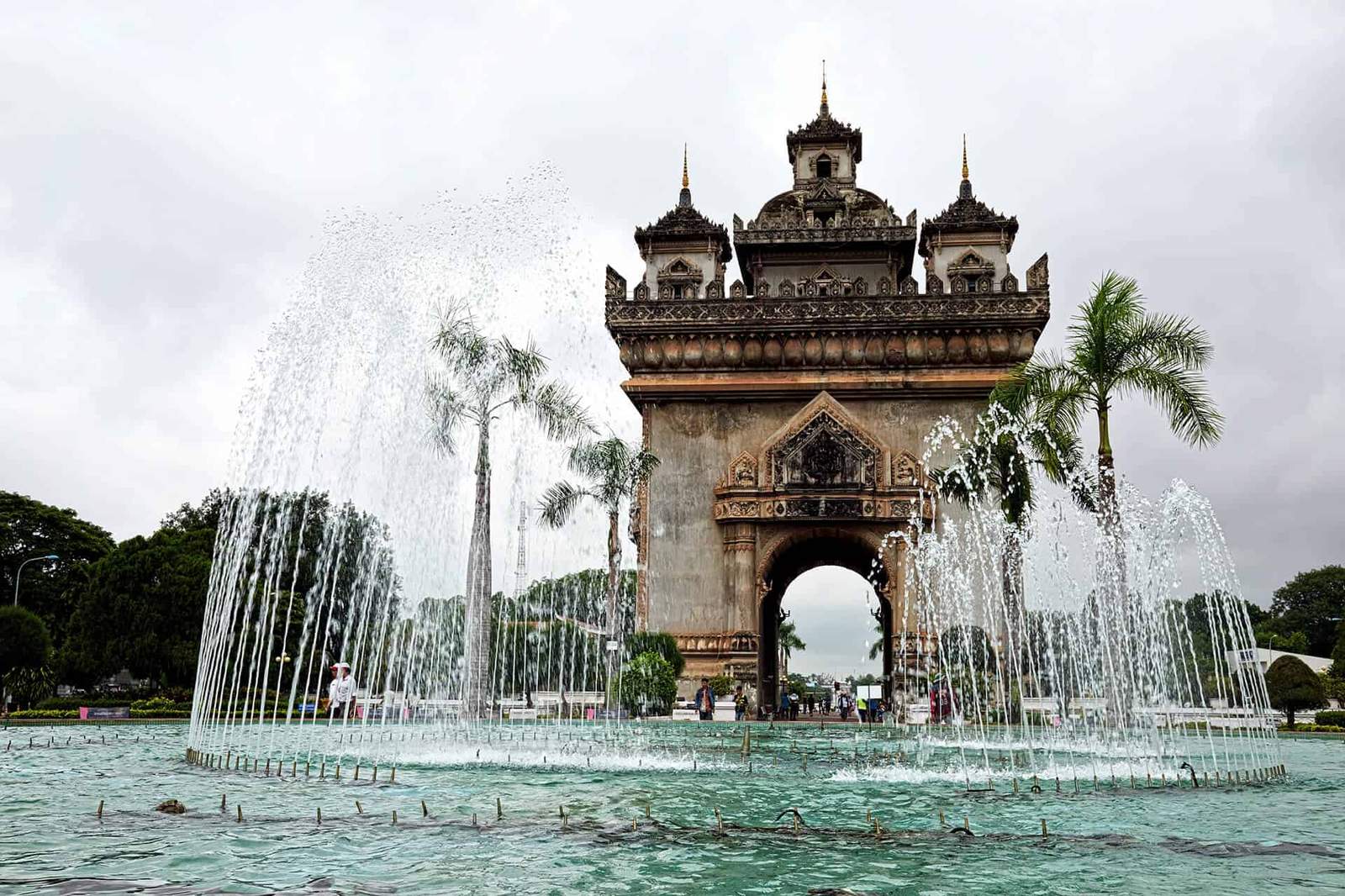
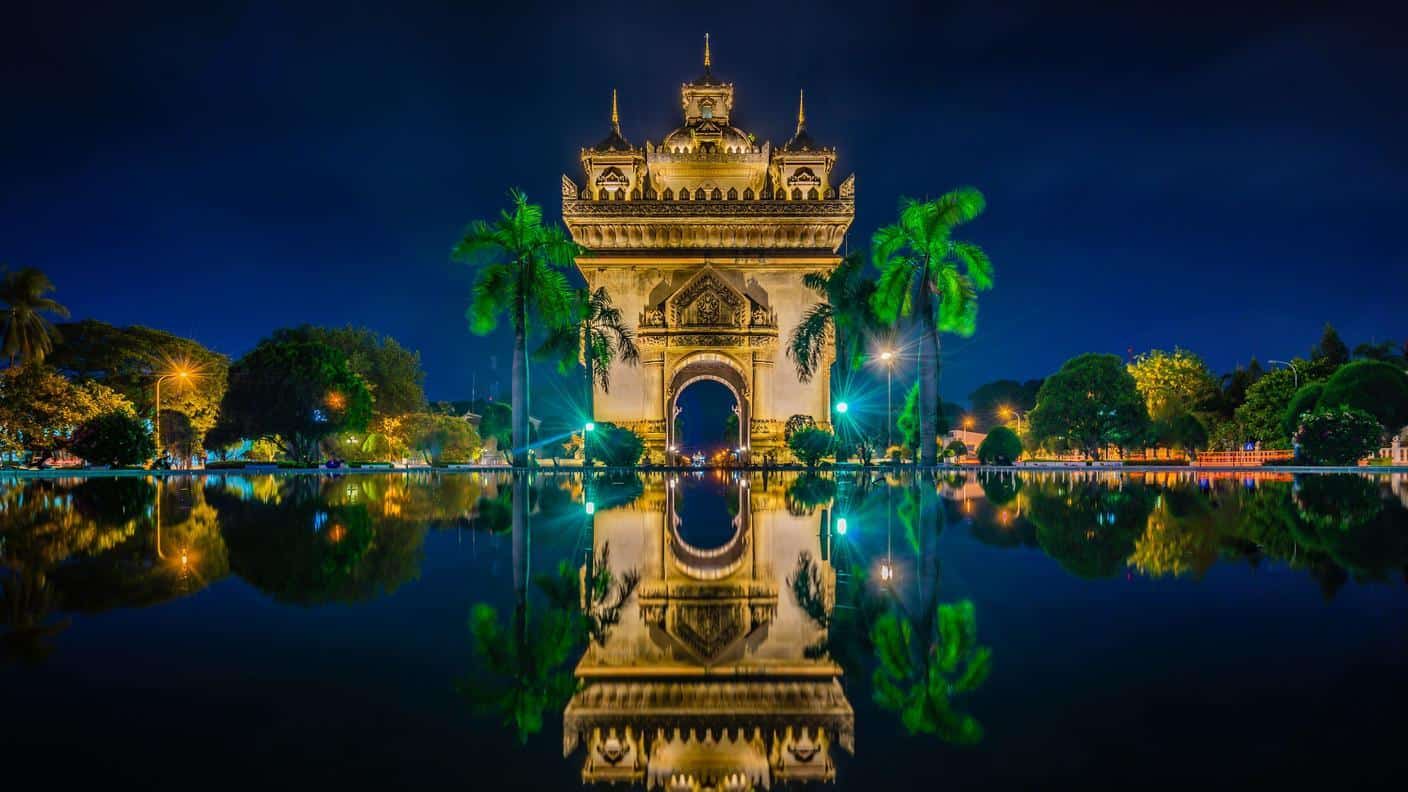
Vientiane, on the Mekong River across from Thailand. It is a relaxed, low-rise capital known for the Pha That Luang stupa, the national symbol, the Patuxai monument and Wat Si Saket. Luang Prabang was the royal capital until 1975 and remains the cultural heart of the country. See Vientiane and Pha That Luang.

Fun facts about Laos

  • Laos was once called Lan Xang, the “Land of a Million Elephants”.
  • Sticky rice is the staple food, so central to Lao culture that Lao people sometimes call themselves “children of sticky rice”.
  • Luang Prabang’s old town has been a UNESCO World Heritage site since 1995, alongside Wat Phou and the Plain of Jars.
  • Laos is considered one of the most heavily bombed countries in history, due to wartime strikes in the 1960s and 70s. Clearance of unexploded ordnance continues.
  • The Lao new year, Pi Mai, is celebrated in mid-April with water splashing, temple visits and processions.

Laos people and culture

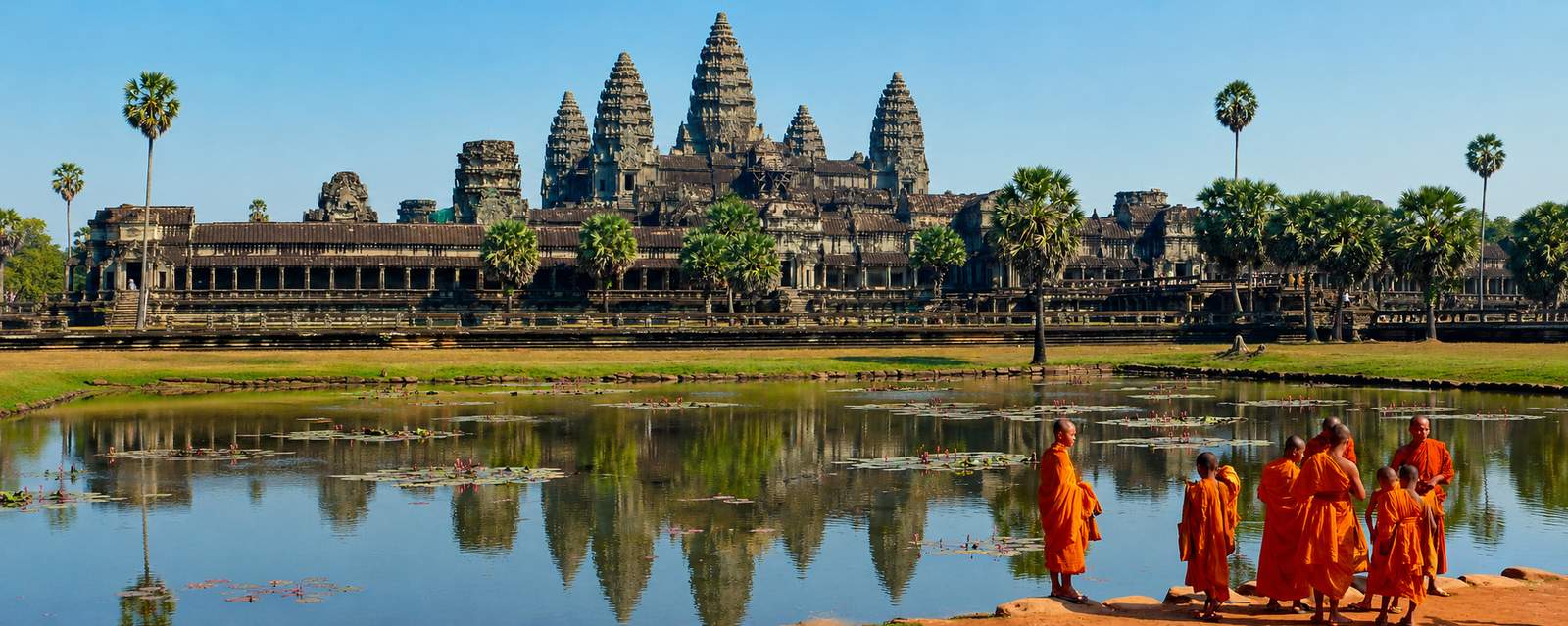
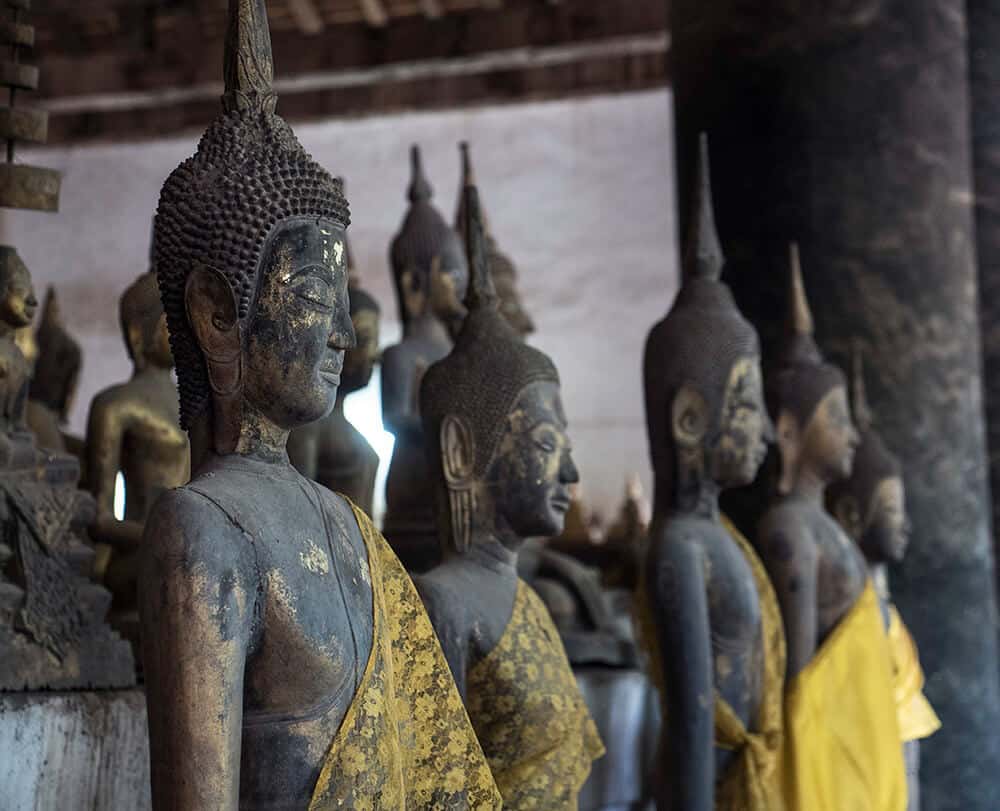
Laos has dozens of ethnic groups, from the lowland Lao to hill peoples such as the Hmong and Khmu. Buddhism shapes daily life: monks collect alms at dawn, and the temple is the center of village life. Lao people are gentle, soft-spoken and value respect: remove your shoes at temples, do not point your feet at people or Buddha images, and do not touch anyone’s head.

Etiquette tips

  • Remove your shoes before entering temples and homes, and dress modestly, with shoulders and knees covered.
  • Do not touch anyone on the head, and do not point your feet at people or Buddha images.
  • Women should not touch monks or hand things directly to them.
  • At the morning alms round in Luang Prabang, watch quietly from a distance, do not use flash and do not block the monks’ path. Only take part if you do so respectfully and with your own offerings, not food sold by street vendors.
  • If you are invited to a baci ceremony, a ritual for good luck in which white strings are tied around your wrists, leave the strings on for at least three days.

What to eat

Try laap (minced meat salad), tam mak hoong (papaya salad), grilled river fish, sticky rice and jeow dips, and sweet Lao coffee from the southern Bolaven Plateau.

Luang Namtha and the north

Luang Namtha, in the far north near China, is the country’s trekking and ecotourism center, with hill-tribe villages and the Nam Ha protected area. It is a short flight or long drive from Luang Prabang. See our guide to things to see in Laos.

Festivals

  • Pi Mai (mid-April): the Lao New Year, celebrated with water splashing, especially in Luang Prabang.
  • Boun Bang Fai (around May): the rocket festival, when homemade rockets are fired to call for rain before the rice planting.
  • Boun Ok Phansa (October): the end of Buddhist Lent, with boat races on the Mekong and, in Luang Prabang, the festival of light with illuminated boats floating down the river.
  • Boun That Luang (November): Vientiane’s great festival at the national stupa, with processions and a huge fair.

Travelling through Laos

  • Roads: improving but slow; a private driver and a guide make long distances comfortable.
  • Flights: link Vientiane, Luang Prabang and Pakse and save time.
  • Visa: usually available on arrival; fees reported by guides are around US$35 to US$40 in cash, with a passport valid for at least six months. Check current requirements before you fly.
  • Money: carry some US dollars and local kip; ATMs exist in main towns but not in villages.
  • Safety: Laos is generally very safe for visitors; stay on marked paths in rural areas because of unexploded ordnance.

The Laos–China Railway

Since it opened in 2021, the Laos–China Railway has transformed travel in the north. Fast trains link Vientiane, Vang Vieng and Luang Prabang, and the journey that once took most of a day by road now takes a few hours. Tickets are booked through the official app or at stations, require a passport and sell out quickly on busy dates, so book early or ask your travel specialist to arrange them.

Practical details

  • Time zone: UTC+7, the same as Thailand and Vietnam.
  • Electricity: 230 volts. Most sockets accept flat two-pin and round two-pin plugs.
  • e-Visa: an official online e-visa is available as an alternative to the visa on arrival; check which entry points accept it.
  • Internet: mobile data is good in towns and along main roads but patchy in remote areas.

When to go

November to February is the most comfortable season. See our best time to visit Laos.

Plan a Laos journey

Explore our Laos tours and our guide to luxury holidays in Laos.

Laos facts: FAQ

What is the capital of Laos?

Vientiane.

Is Laos in Southeast Asia?

Yes. It is landlocked and borders Thailand, Cambodia, Vietnam, China and Myanmar.

What language do they speak in Laos?

Lao.

What is Laos known for?

Luang Prabang, the Mekong, waterfalls, sticky rice and its gentle Buddhist culture.

Is it safe to travel to Laos?

Generally yes; stay on marked paths in rural areas.

Can I travel by train in Laos?

Yes. The Laos–China Railway links Vientiane, Vang Vieng and Luang Prabang in a few hours. Book tickets in advance.

What currency should I bring to Laos?

Bring some US dollars or Thai baht to exchange, and use ATMs in the main towns for Lao kip. Kip cannot be exchanged outside the country, so spend it before you leave.

Essential Insights

Frequently Asked Questions & Specialist Advice

When is the best time of year to visit Laos?

The ideal travel season generally falls during the dry, sunny months. Speak with our specialists for month-by-month climate recommendations tailored to your specific itinerary.

Can this itinerary be fully customized?

Yes, 100%. All My Way Travel itineraries are bespoke. We adjust durations, accommodations, activities, and destinations to suit your exact preferences.

Tailor-Made Itineraries

Start Planning Your Trip to Laos

All our private journeys are 100% tailor-made around your dates, pace, and passions. Talk to our specialists to customize any itinerary below or create a completely bespoke trip.

Inspiration & Advice

More Laos Travel Guides

View all Laos guides →
Emily Tran
Personal Consultation

Speak to an Indochina Specialist

Direct advice: +1 (888) 898-0888 • Free tailor-made proposal

Start Tailor-Made Enquiry →

Why journey with us

Cared for, every mile.

A dedicated designer

One expert owns your journey from first sketch to final boarding pass.

Rare access

Closed doors open quietly: ateliers, cellars, private homes, museums after dark.

Concierge, always

A real voice at 3 a.m. in any time zone, whatever the question.

Fully protected

Bonded, insured and transparent about every dollar before you commit.

Begin

Your journey begins with a conversation.

Tell us how you dream of travelling. Within 24 business hours, an in-country specialist will curate the first sketch of your route — bespoke ideas first, commitment never.

Concierge available 24/7 across all Asian time zones · New York registered

The Waypost

Four letters a year. Places worth the journey.

Seasonal routes, quiet openings and the occasional table that’s too good to keep to ourselves.