

A dedicated designer
One expert owns your journey from first sketch to final boarding pass.
Last updated:
Quick answer: Ubud is a cultural base in Bali’s Gianyar Regency, best planned as a walkable town stay plus separate outings to rice landscapes and temples. Allow three nights for central Ubud, the Monkey Forest and one countryside day; add time if you want both Tegallalang and the Pakerisan temple area without rushing. Road time depends on Bali traffic, so group nearby stops and confirm transfers in writing.
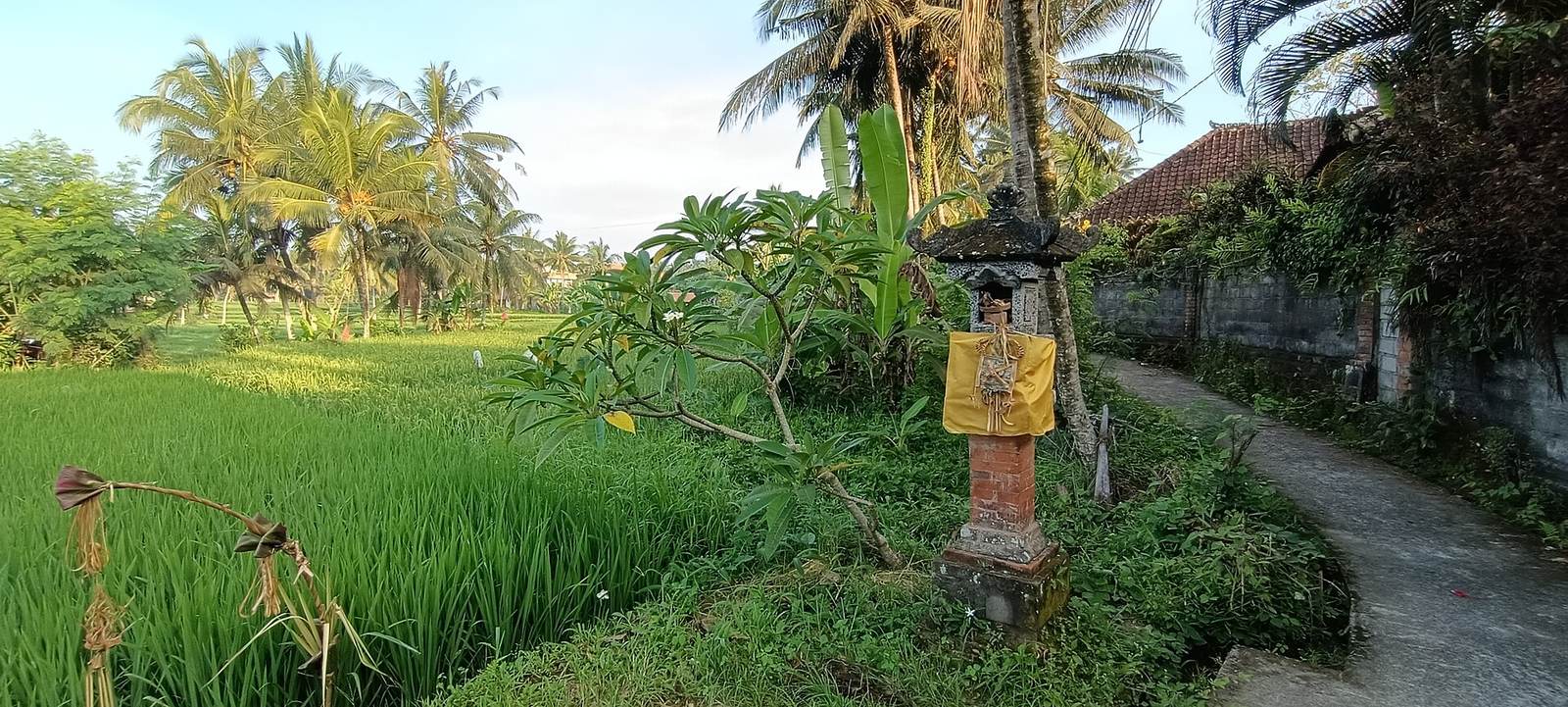
Featured photograph: Photo by photocon via Wikimedia Commons, CC BY-SA 4.0, licensed under CC BY-SA 4.0.
Plan a private Ubud stay: Request a tailored Ubud itinerary. Share your dates, hotel area, interest in temples or countryside, preferred walking pace, guide language and whether you need a private driver.
Ubud combines a working town centre with Balinese arts, temples, food and green landscapes. Indonesia’s tourism board describes it as an inland cultural and nature base; the practical distinction is between central sights you can connect on foot and outlying villages that require a vehicle. Stay in the centre for restaurants and short walks, or choose a quieter hillside property if you are comfortable arranging transport for most outings.
Use Ubud as one part of a Bali itinerary, not as a substitute for the island’s coast. A few nights here work well before or after a beach stay, while a longer stay suits visitors who want slower mornings, craft visits and more than one temple or landscape day.
| Area or visit | Good fit | Planning check |
|---|---|---|
| Central Ubud | Palace area, market streets, galleries, restaurants and short walks. | Ask how close the hotel is to the actual pedestrian route; “Ubud” properties can be outside the centre. |
| Sacred Monkey Forest | A managed nature reserve and temple complex within town. | Check the official visitor page for current hours, last entry and rules before going. |
| Kajeng and nearby rice paths | A short walk for a quieter look at village lanes and cultivated fields. | Paths cross working land; follow signs, respect local access and do not enter private plots. |
| Tegallalang | A separate rice-terrace outing north of central Ubud. | Confirm the exact viewpoint, any local access charge and traffic plan; do not assume a single ticket covers the area. |
| Pakerisan temple area | A culture-focused day around sites such as Gunung Kawi and Tirta Empul. | Check temple access, clothing rules and whether the guide explains ritual context respectfully. |
Tegallalang is a popular Ubud-area rice terrace, while UNESCO’s listed Cultural Landscape of Bali Province is a specific property made up of five component landscapes and their water temples. The property illustrates the subak system: cooperative irrigation and temple networks that connect farming, water management and religious life. Do not label every terrace around Ubud as part of the UNESCO property; identify the actual component site when heritage status matters to your itinerary.
For a visitor, this distinction also changes how to experience the landscape. Rice paddies are working agricultural land, not scenery built only for tourism. Stay on public paths, respect farmers’ access and ask before photographing residents at work.
The official Monkey Forest Ubud visitor page currently lists a 12.5-hectare sanctuary, opening from 9:00 a.m. to 6:00 p.m. and last entry at 5:00 p.m.; recheck its live page on your travel date because hours and admission can change. The site combines forest, long-tailed macaque habitat and sacred temple areas, so it is not a petting attraction.
Follow the sanctuary’s guidance: do not feed or touch monkeys, keep food and small loose objects secured, avoid provoking eye contact, and respect areas closed to visitors. If travelling with children, supervise them closely and ask staff for help if an animal approaches. These measures protect visitors and wildlife.
| Day | Suggested plan | Why this order works |
|---|---|---|
| Day 1 | Arrive, settle near the centre, then take a short orientation walk and an early evening meal. | Keeps the first day flexible around airport traffic and check-in. |
| Day 2 | Visit the palace and market area, choose a museum or craft visit, then see the Monkey Forest during its current opening hours. | Groups central sights and leaves time for a slower cultural visit. |
| Day 3 | Choose either Tegallalang and nearby villages or a Pakerisan temple route; avoid trying to cover every north- and east-side stop in one day. | A single geographic cluster reduces repeated driving. |
| Day 4 | Enjoy a relaxed breakfast and depart for the coast or airport with a traffic buffer. | Transfer time varies considerably by route and conditions. |
This is a planning example, not an official itinerary or a promise of drive times. Ask an operator to show the route, estimated road time, stops, entrance charges, guide language and return window before confirming a private day tour. If a proposal lists “Ubud highlights” without named stops, request the precise places and whether walking between them is included.
Ubud has a tropical climate, and rain, humidity and road conditions can affect outdoor plans in any season. Check a current forecast shortly before travel, carry water and sun protection, and keep a flexible indoor alternative such as a museum or craft visit. Wear clothing suitable for walking and bring a sarong or other temple-appropriate covering when visiting sacred sites; follow each temple’s own instructions.
Three nights is a useful first-visit plan for central Ubud and one countryside day. Add nights if you want multiple temple areas or a slower resort stay.
The central streets and nearby sites can be explored on foot, but rice terraces and temples outside town need a separate transfer. Check the hotel’s exact location because some properties marketed as Ubud are beyond the centre.
Tegallalang is a well-known Ubud-area terrace, but UNESCO’s property covers five named component landscapes and their water temples. Check the listed site boundary rather than assuming every Bali rice field is included.
No. The official sanctuary guidance says not to feed or touch macaques and to keep food and small items secured. Follow staff instructions and restricted-area signs.
Official references checked 4 November 2026: Indonesia Travel: Ubud (regional context); Indonesia Travel: Tegallalang Rice Terrace; UNESCO: Cultural Landscape of Bali Province and the subak system; Sacred Monkey Forest Ubud: hours and visitor information; Monkey Forest Ubud: safety and wildlife guidelines. Photo source and license are linked above.
Editorial method: This guide was prepared from the official references listed above and is desk research; it does not claim a first-hand visit. The three-night route is a practical editorial suggestion. Entry terms, hours, weather, road access and local fees may change; verify them with the responsible site or operator before travel.
“A private tailor-made journey in Ubud allows you to explore at your own unhurried pace, with private transfers and local guides revealing cultural layers that standard tours overlook.”
— Emily, Indonesia Destination Specialist at My Way Travel
Explore key landmarks and points of interest across Ubud
Call our direct travel designer desk or request your complimentary bespoke proposal.


The World On Your Terms reveals what awaits when you explore the globe with our specialists. It covers our 29 destinations across Asia, Europe, the Middle East, North Africa and South America, with sample routes and planning notes.
Request Your Copy
Why journey with us
One expert owns your journey from first sketch to final boarding pass.
Closed doors open quietly: ateliers, cellars, private homes, museums after dark.
A real voice at 3 a.m. in any time zone, whatever the question.
Registered in New York, with every cost itemised in your quote before you commit.
Begin
Tell us how you dream of travelling. Within 24 business hours, an in-country specialist will curate the first sketch of your route — bespoke ideas first, commitment never.
Planning team Mon–Sat 8am–8pm EST · 24/7 emergency line while you travel · New York registered