

A dedicated designer
One expert owns your journey from first sketch to final boarding pass.
Last updated:
Quick answer: Hong Kong is easiest to plan as a set of connected districts rather than one sightseeing loop: pair Central and Sheung Wan heritage with a separate Victoria Harbour and Kowloon block, then choose either an island day or a country-park walk. Two full days cover the main urban highlights; three or four days make room for nature, food and slower neighbourhood time. Hong Kong’s government recorded about 11 million country-park visits in 2024, so trail days are a genuine part of the destination, not a fringe add-on.
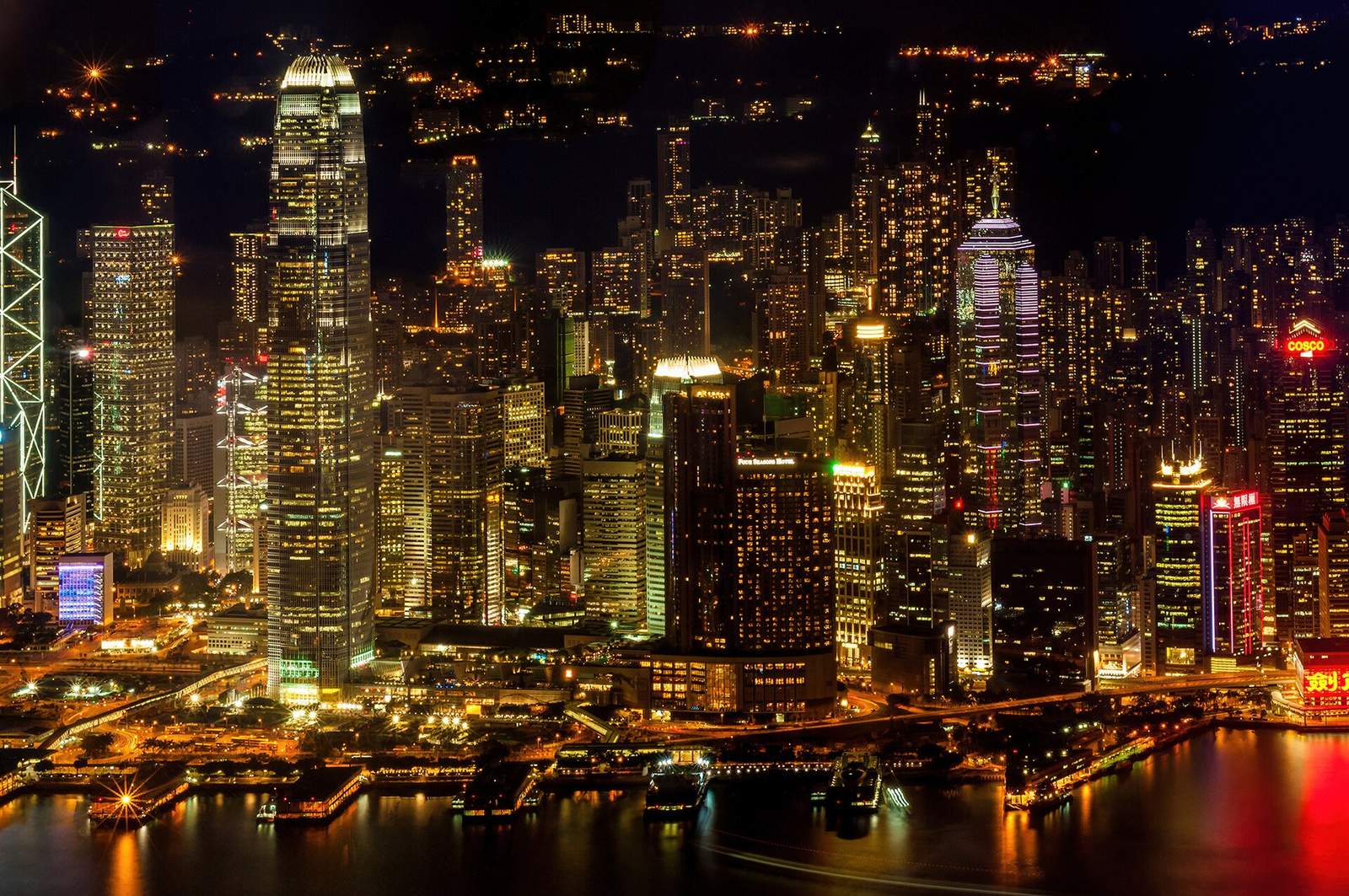
Featured image: Hong Kong Island skyline and Victoria Harbour at night. Photo by Wilfredor via Wikimedia Commons, CC0 1.0 public-domain dedication; resized for this page.
Plan a private Hong Kong stay: Request a tailored Hong Kong itinerary. Tell us your dates, hotel style, food interests, walking ability and whether you want an island, nature or heritage day. Ask the proposal to list transport, guide language, entrance tickets and meal inclusions separately.
Use geography to reduce backtracking. Hong Kong Island’s Central and Western District combines heritage lanes, civic landmarks, galleries and harbour access; Kowloon gives a different waterfront perspective and major museums; outlying islands and country parks require their own transport and weather buffer. The MTR, ferries, trams and buses make independent movement practical, but the best route depends on where you sleep and the day’s operating conditions.
| Area | Why include it | Plan around |
|---|---|---|
| Central and Sheung Wan | Historic streets, market lanes, galleries and the former Central Police Station compound at Tai Kwun. | Walkable hills and steps; opening hours and current exhibitions at Tai Kwun. |
| Victoria Harbour and Tsim Sha Tsui | Cross-harbour views, promenades, museums and ferry connections. | Weather, evening crowds and the exact pier or waterfront meeting point. |
| Victoria Peak and Pok Fu Lam | Elevated city views and accessible urban-to-nature walks. | Cloud, visibility, trail length, steep sections and transport queues. |
| Lantau or an outlying island | Fishing-village character, coastal scenery or a slower day away from the core. | Ferry/bus schedules, service changes, walking distance and return connections. |
| Country parks | Coast, reservoirs, forest and long-distance trail scenery within the territory. | Heat, rain, water, trail difficulty, daylight and official safety notices. |
Tai Kwun occupies the former Central Police Station compound, including the former police station, Central Magistracy and Victoria Prison. The Hong Kong Government’s heritage office describes the historic complex as three groups of buildings developed from the mid-19th to early 20th centuries; today the site combines heritage spaces, art programming and public courtyards. It is a strong first stop because it explains a specific layer of the city’s legal and civic history, while nearby streets connect naturally to Central and Sheung Wan.
Allow time for slopes and stairs: map distances in the Central grid can understate the effort of moving between levels. Check Tai Kwun’s current visitor information and programme before fixing a guided tour, and treat temporary exhibitions as date-specific. A heritage walk can then continue toward the Central–Mid-Levels area, but choose one route rather than attempting every named lane in a single block.
Victoria Harbour is a working waterway as well as a viewpoint. Choose a ferry crossing when transport and the harbour experience both matter; choose a promenade or viewpoint when you want time for photographs and museums. A night view is weather-dependent: haze, rain and low cloud can reduce visibility, so keep a flexible alternative such as an indoor gallery or dinner reservation.
The image on this page shows the Hong Kong Island skyline across the harbour after dark. It does not represent every district or guarantee the same visibility on your visit. If the skyline is a priority, place it on an evening with a flexible schedule and confirm the return route to your hotel.
| Time | Sample structure | Best fit |
|---|---|---|
| 2 full days | Day 1: Central/Sheung Wan and harbour crossing. Day 2: Kowloon waterfront and one museum or viewpoint. | A short stop focused on city essentials. |
| 3 days | Add a half-day trail or one island/coastal excursion, keeping the other blocks urban. | First visit with a mix of culture and scenery. |
| 4 days | Separate the island excursion and country-park hike; leave one flexible block for weather or shopping. | Slower travel, photographers, families or active visitors. |
These are planning structures, not a promise that every attraction can be completed in the listed time. Ferries, trailheads and events create different transfer patterns; a private itinerary should name the starting point, transport mode and return plan for each day.
Yes, but choose a trail that matches the group rather than treating a country-park walk as a short add-on. Hong Kong’s Tourism Commission lists promoted routes including Dragon’s Back, the Peak Trail and sections of the MacLehose and Lantau trails. The Agriculture, Fisheries and Conservation Department advises visitors to use designated trails and follow country-park guidance; its safety notices can identify hazards and busy areas. Carry water, sun protection and a charged phone, check the forecast, and do not start a long route late in the day.
For a gentler option, choose a short viewpoint or waterfront walk with clear public transport access. For a full hike, confirm trailhead, distance, elevation, transport frequency and exit point in advance. Rain, heat, high winds or trail works can make a planned route unsuitable; swap to an indoor museum or district walk when conditions change.
The Hong Kong Tourism Board describes the Airport Express as taking approximately 24 minutes to reach Hong Kong Island; exact journey time depends on the station and connection you need. Check current airport-rail service and any planned maintenance before buying a transfer. Within the city, MTR is useful for longer district-to-district movement, while ferries, trams and buses give more direct access to some waterfront and island routes. Contactless and stored-value payment options can change, so confirm the current fare and card terms before arrival.
For a first visit, choose accommodation near the districts you will use most and check the actual station walk, luggage access and late-night transport. A Central or Sheung Wan base suits heritage and island connections; Tsim Sha Tsui or nearby Kowloon suits harbourfront and museum access. Compare room size, noise, lift access and cancellation terms rather than selecting solely by a map pin.
Outdoor comfort depends on heat, humidity, rain and visibility. Cooler months can suit walking, while summer brings heat and the possibility of severe weather. Check the Hong Kong Observatory forecast and official trail or ferry notices close to travel. During public holidays and major events, allow extra time for crowded transport and timed-entry attractions.
Two full days cover a compact urban visit. Three days allow one island or nature block; four days make it easier to separate a hike from an island excursion.
No. The government manages 24 country parks, and the territory also has coastlines, islands and marine areas alongside dense urban districts.
Choose by itinerary: Central and Sheung Wan help with heritage and island connections; Kowloon is convenient for its waterfront and nearby museums. Compare the exact station, walk and late-night route.
A short accessible walk can pair with city sightseeing. A longer trail deserves its own block, forecast check and confirmed return transport.
Official sources checked 3 November 2026: Hong Kong Government, Country Parks and Conservation fact sheet (24 parks and 2024 visitor count); Hong Kong Tourism Board, getting around (airport transport and public-transport guidance); Development Bureau, Tai Kwun heritage record; Tai Kwun visitor information; Tourism Commission, hiking-trail projects; AFCD hiking-safety notice. Photo by Wilfredor, CC0 1.0.
Editorial method: This desk-researched guide uses Hong Kong Government, Tourism Board, heritage and park sources. It does not claim first-hand visits. Route durations are planning examples; check live transport, weather, trail conditions and attraction programmes for your dates.
“A private tailor-made journey in Hong Kong allows you to explore at your own unhurried pace, with private transfers and local guides revealing cultural layers that standard tours overlook.”
— Emily, China Destination Specialist at My Way Travel
Call our direct travel designer desk or request your complimentary bespoke proposal.


The World On Your Terms reveals what awaits when you explore the globe with our specialists. Covering six continents, this volume features handpicked routes, insider tips, and signature experiences.
Request Your Copy
Why journey with us
One expert owns your journey from first sketch to final boarding pass.
Closed doors open quietly: ateliers, cellars, private homes, museums after dark.
A real voice at 3 a.m. in any time zone, whatever the question.
Bonded, insured and transparent about every dollar before you commit.
Begin
Tell us how you dream of travelling. Within 24 business hours, an in-country specialist will curate the first sketch of your route — bespoke ideas first, commitment never.
Concierge available 24/7 across all Asian time zones · New York registered