

A dedicated designer
One expert owns your journey from first sketch to final boarding pass.
Last updated:
Quick answer: Tokyo is easiest to plan by grouping nearby neighborhoods into one day instead of crossing the metropolis repeatedly. Allow at least three full days: combine Asakusa and Ueno, then Shibuya and Harajuku, then Shinjuku or central Tokyo. Choose a hotel near a station that matches your daily route, and check airport transfer options for Haneda or Narita before booking.
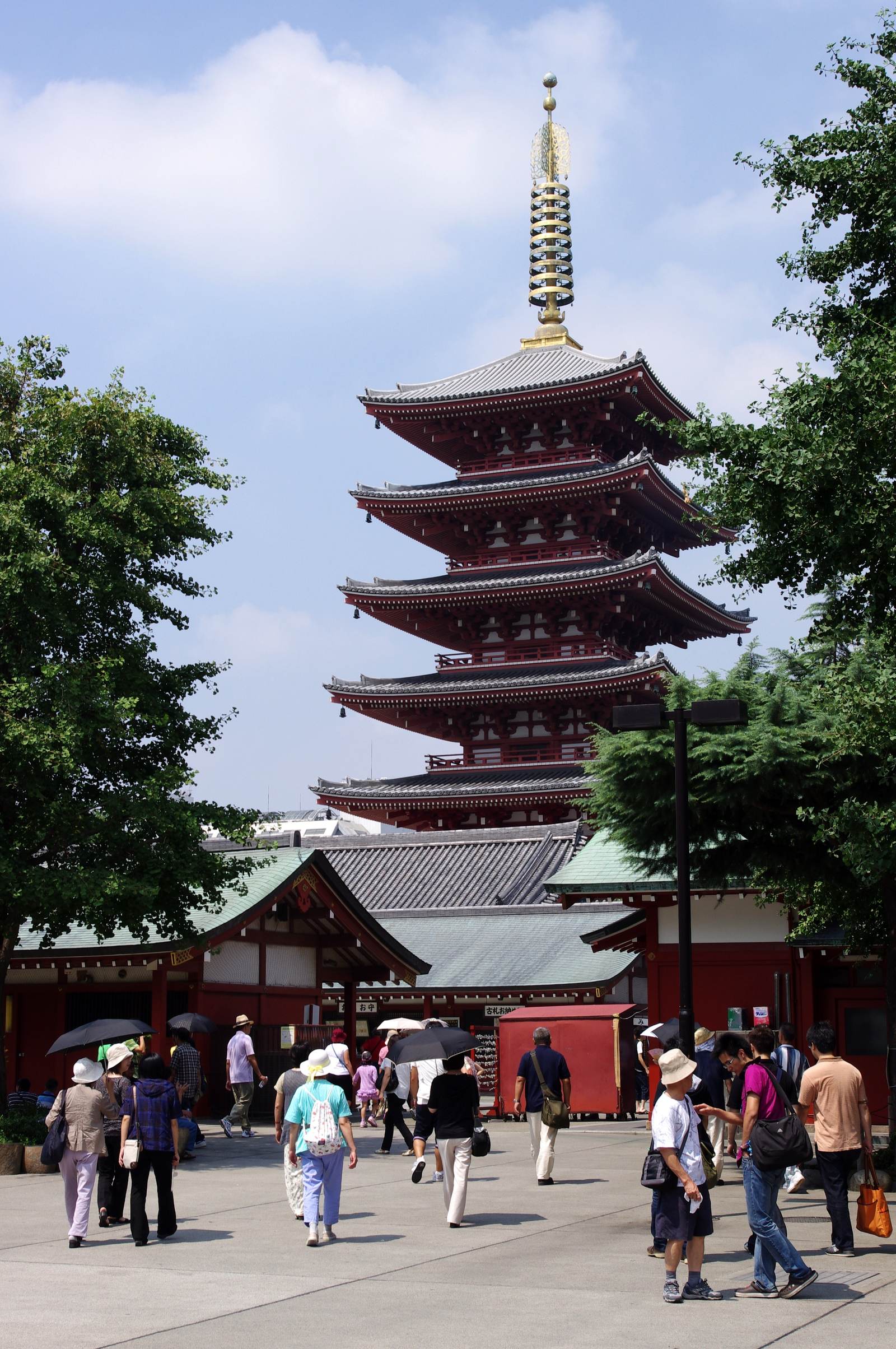
Featured photograph: Five-story pagoda at Sensoji in Asakusa. Photo by Jakub Hałun, Wikimedia Commons, CC BY-SA 4.0. Original image and attribution details.
Plan a private Japan journey: Request a tailored Tokyo itinerary. Share your interests, dates, mobility needs and preferred pace. Ask us to map hotel-to-station access, timed-entry attractions, airport transfer and any day trips before confirming the route.
Tokyo is a collection of distinct districts linked by several rail and subway operators. The official Tokyo travel guide highlights areas such as Asakusa, Ueno, Shinjuku, Shibuya, Ginza, Akihabara and Tokyo Station, each with a different mix of history, shopping, food and nightlife. The city is extensive; trying to visit several far-apart districts in one day creates unnecessary transfers. Select two or three nearby areas and leave time to explore on foot. JNTO: Tokyo destination guide.
| Area | Best for | Good pairing |
|---|---|---|
| Asakusa | Sensoji, traditional shops and old-town atmosphere | Ueno or the Sumida waterfront |
| Ueno and Akihabara | Museums, park and electronics/anime culture | Asakusa or Tokyo Station |
| Shibuya and Harajuku | Fashion, youth culture, architecture and major city scenes | Omotesando or Shinjuku |
| Shinjuku | Department stores, transport hub, gardens and evening streets | Harajuku or a west-side day |
| Ginza, Nihonbashi and Tokyo Station | Shopping, food, architecture and onward rail | Imperial Palace East Gardens or Tsukiji area |
| Odaiba | Waterfront attractions and broad bay views | Plan as a separate half or full day |
Three full days gives a first-time visitor an overview, not an exhaustive tour. Four or five days makes room for a museum, a slower food day, an observation deck or an excursion beyond central Tokyo. If this is your first Japan visit, resist adding Kyoto or Mount Fuji as a same-day excursion without checking the travel time and what you want from the day. A destination-specific guide can help balance city neighborhoods with your onward rail route.
Tokyo’s rail network includes JR services, Tokyo Metro and Toei subway lines, plus private railways and buses. Routes that look similar on a map may use different operators and fares. GO TOKYO recommends IC cards such as Suica or PASMO for convenient entry on many services; verify availability and current card conditions before your trip. A rail pass only makes sense if the included lines and planned journeys match. Check route maps and fares in a current transit app, and allow time to navigate large stations. GO TOKYO: transportation in Tokyo.
Tokyo is served by Haneda and Narita. Haneda is closer to central Tokyo; Narita is in neighboring Chiba and has express rail and bus connections. The best option depends on your flight, hotel location, arrival time and onward train. Check current transfer times, prices, luggage capacity and last departures rather than choosing solely by airport name. If arriving late or with young children, a pre-arranged transfer may be worth comparing with public transport.
Before booking, check walking distance to the station entrance rather than only the station name, room size, luggage storage, elevator access, breakfast timing and the last train for evening plans. Tokyo hotels can be compact; verify bed dimensions and occupancy rules for families.
Spring and autumn are popular for mild weather and seasonal scenery, but crowds can rise around holidays and major events. Summer is hot and humid, with typhoon risk; winter is cooler and generally drier. JNTO advises checking forecasts for the coming week. Use a current forecast, reserve timed-entry experiences where required and keep a rain or heat alternative. JNTO seasonal overview for Tokyo.
Three full days is a useful first visit; four or five allows a slower pace or an additional day trip.
Public transport is extensive, but multiple operators and large stations can make transfers confusing. Plan by neighborhood and use a current route app.
Both are well connected. Shinjuku suits broad transport and nightlife access; Shibuya suits shopping and west-side neighborhoods. Compare noise, hotel access and your itinerary.
Haneda is closer to central Tokyo, while Narita has express trains and buses from farther away. Compare live route, price and arrival time with your hotel location.
District orientation and seasonal guidance were checked against JNTO; transit and airport advice against GO TOKYO and its airport access guide. This is desk research, not a first-hand hotel or restaurant review. Train schedules, fares, attraction hours, ticket rules and airport services should be reconfirmed for travel dates.
“A private tailor-made journey in Tokyo allows you to explore at your own unhurried pace, with private transfers and local guides revealing cultural layers that standard tours overlook.”
— Emily, Japan Destination Specialist at My Way Travel
Explore key landmarks and points of interest across Tokyo
Hand-picked hotels and resorts recommended by our specialists for stays in Tokyo
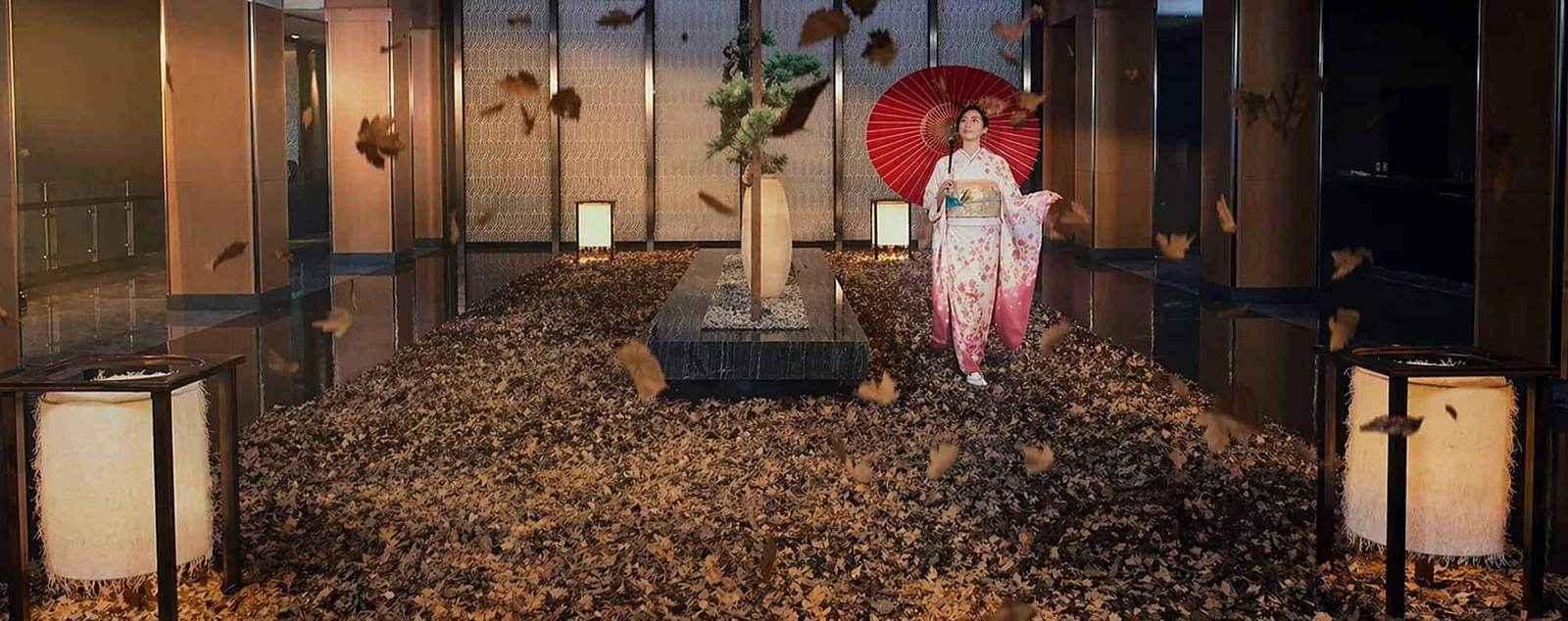
Boutique luxury accommodation selected by our specialists for an authentic stay in Tokyo: Neighborhood Guide & 3-Day Route Planner.
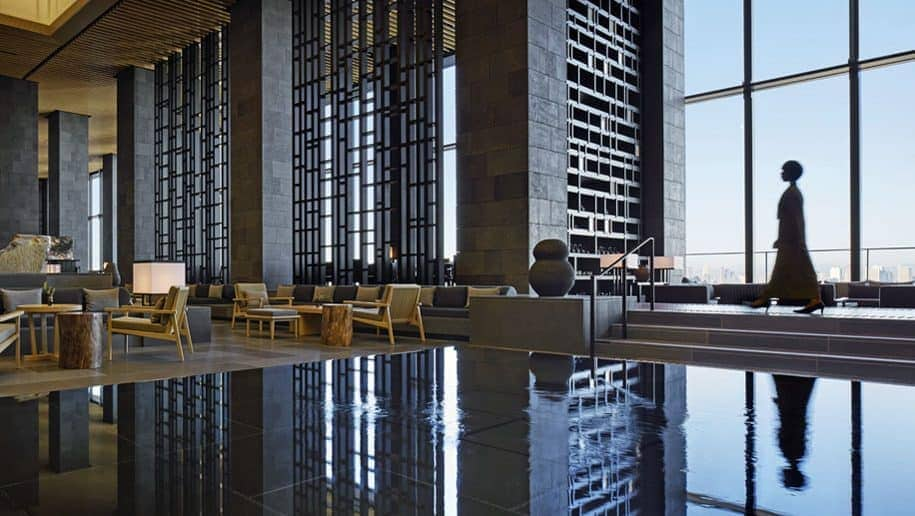
Boutique luxury accommodation selected by our specialists for an authentic stay in Tokyo: Neighborhood Guide & 3-Day Route Planner.
Experiences listed for this destination
Visit the Ghibli Museum in Mitaka, Tokyo, to explore the world of Studio Ghibli films. Learn how to get tickets and plan your magical day trip from Shinjuku.
Experience the magic of Tokyo Disney Resort with a day trip to Disneyland or DisneySea. Enjoy thrilling rides, beloved characters, and unforgettable attractions for the whole family.
Explore Tokyo’s lesser-known attractions including Meiji Jingu Temple, Shibuya’s Hachiko Crossing, and cultural sites like Asakusa Kannon Temple and Akihabara. A perfect itinerary for discovering the real Tokyo.
Handcrafted destination guides, insider advice and cultural insight for Tokyo and Japan
Call our direct travel designer desk or request your complimentary bespoke proposal.


The World On Your Terms reveals what awaits when you explore the globe with our specialists. It covers our 29 destinations across Asia, Europe, the Middle East, North Africa and South America, with sample routes and planning notes.
Request Your Copy
Why journey with us
One expert owns your journey from first sketch to final boarding pass.
Closed doors open quietly: ateliers, cellars, private homes, museums after dark.
A real voice at 3 a.m. in any time zone, whatever the question.
Registered in New York, with every cost itemised in your quote before you commit.
Begin
Tell us how you dream of travelling. Within 24 business hours, an in-country specialist will curate the first sketch of your route — bespoke ideas first, commitment never.
Planning team Mon–Sat 8am–8pm EST · 24/7 emergency line while you travel · New York registered